FCC Approves SpaceX's Starmind Plan for 1 Million Orbital Data Center Satellites
November 26, 2026
The FCC has authorized SpaceX to build and operate up to 1,000,000 "Starmind" orbital data center satellites, with the first due in orbit by Nov. 25, 2033.
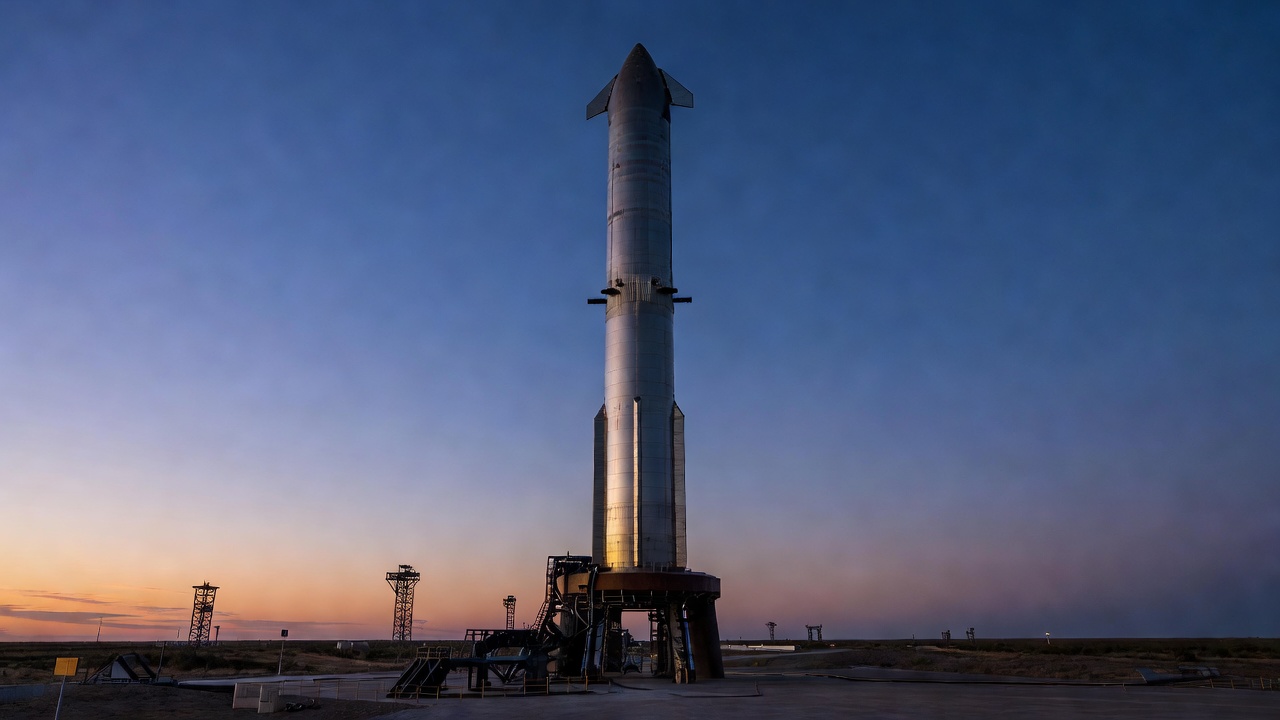
The FCC has authorized SpaceX to build and operate up to 1,000,000 "Starmind" orbital data center satellites, with the first due in orbit by Nov. 25, 2033. The headline number is less striking than the gap in the process behind it: the agency approved the constellation on radiofrequency grounds and treated the optical and infrared astronomy impact as outside its scope, and the American Astronomical Society says no other agency is positioned to weigh it. The order, published Wednesday, the day before Thanksgiving, matters now because it sets the first firm regulatory timeline for putting AI compute in orbit at a scale about 89 times today's Starlink fleet (a calculation from the figures in this article). This piece covers what the FCC approved, how the satellites are designed, and the disposal question the agency left open.
What Happened
The Federal Communications Commission issued its order on Nov. 25, 2026, granting the petition SpaceX filed on Jan. 30, 2026. FCC Chairman Brendan Carr framed the decision around AI competitiveness in an FCC press release: "Compute campuses or data centers are essential to sustaining America's leadership in [artificial intelligence]... By moving compute capacity beyond Earth, SpaceX and the many competitors working on their own orbital data centers are meeting the moment."
The authorization comes with a deployment schedule:
- Nov. 25, 2033: deadline to deploy the first satellite
- Nov. 25, 2038: 50 percent of the constellation must be deployed
- Nov. 25, 2040: the full constellation must be operational
SpaceX's own expectations are far more aggressive. Elon Musk expects the first launch in the third quarter of 2027, an estimate that is his and not an FCC requirement. At a Baron Capital talk, Musk said: "We'll start off slow, but then it will ramp to significant volume probably in '28 and then very large volume in '29." Replying to the announcement on X, he wrote: "Much appreciated. This will be a great asset to America and the world."
The FCC rejected petitions to deny filed by Viasat, Amazon Leo and the American Astronomical Society (AAS). The satellites will be built at SpaceX's facilities in Bastrop, Texas, in partnership with Nvidia, and launched from Starbase, Texas.

The Science Behind It
The order places Starmind satellites in orbital shells, in the FCC's words, "each spanning 50 km at altitudes from 500 to 1,002 km and in 30-degree inclinations and sun-synchronous inclinations." An inclination (the tilt of an orbit relative to the equator) of 30 degrees keeps a satellite over low and mid latitudes, while a sun-synchronous orbit (a near-polar path that passes over each spot at the same local solar time) gives constant lighting geometry. According to SpaceX's website, each satellite has a 75 m (246 ft) wingspan and stands 30 m (98 ft) tall once deployed.
Michael Nicholls, SpaceX's senior vice president of Starlink and AI, described the compute architecture at the International Astronautical Congress in October: "Every one of these satellites might be something like a 250 kilowatt satellite, or roughly a rack of compute in space, something like a NVL 72... But the cluster of satellites will be 10-ish satellites that's interconnected with 10 terabits or so of bandwidth between them, and then interconnected into the broader constellation and into Starlink."
NVL 72 is Nvidia's rack-scale AI computing system, so Nicholls is saying each satellite carries about as much compute as one full data center rack. He explained why the formation matters: "We believe that we need to operate clusters of satellites in tight formation to get enough coherent compute together, such that we can run these AI models efficiently."
Links between satellites and to Starlink are optical, meaning laser light rather than radio. The FCC allows Ka-band radio (18.8 to 19.3 GHz space-to-Earth, 28.6 to 29.1 GHz Earth-to-space) only for telemetry, tracking and command, and "only in the event its optical links experience a failure." The agency said this limited radio use sufficiently addressed interference concerns raised by Viasat, Amazon Leo and the AAS.
Why This Mission Matters
One million satellites is about 89 times the nearly 11,200 Starlink satellites now in orbit, per astronomer Jonathan McDowell's tracker. Starlink took years to reach that count; Starmind's 2040 deadline gives SpaceX 14 years from the order to field a constellation almost two orders of magnitude larger.
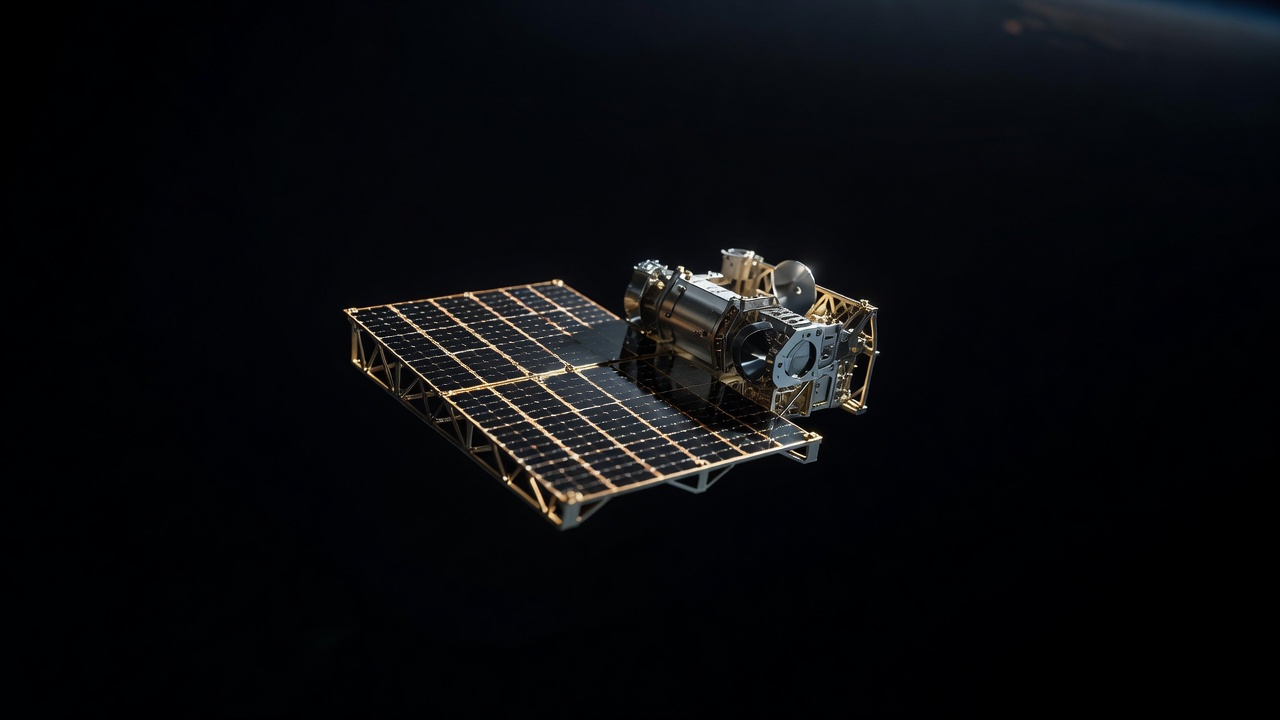
The power figure is a calculation, not a SpaceX or FCC number. Multiplying 1,000,000 satellites by Nicholls' "something like" 250 kW gives roughly 250 GW of space-based compute power at full build-out.
Whether the concept proves workable depends on questions the available record leaves open, including how a 250 kW satellite sheds its heat.
Competitive Landscape
Carr said many competitors are pursuing orbital data centers; the FCC order did not name them. The parties named in this story are SpaceX's partner and its opponents in the proceeding:
- Viasat and Amazon Leo: satellite operators whose petitions to deny were rejected after the FCC cited the optical-only design.
- American Astronomical Society: petitioner on astronomy grounds, also rejected.
SpaceX's head start is its existing Starlink network of about 11,200 satellites, which Starmind clusters are designed to connect to. The AAS issued the closest thing to outside criticism, saying it was "disheartened and dismayed" and that the decision was "at odds with a spirit of cooperation and goodwill." It added: "We believe that it is critical for the FCC to consider the protection of optical and infrared astronomy when assessing applications from satellite operators, in the absence of another licensing agency that can take these concerns into account." The FCC said these matters were "sufficiently addressed in SpaceX's application and supplemental material" and "outside the scope of the [orbital data centers] radiofrequency operations." The AAS also cited a "lack of formal coordination requirements in the license."
What Comes Next
Launch is by Starship-Super Heavy, as with Starlink V3. Starship has completed two orbital flights and has deployed 52 Starlink V3 satellites so far.
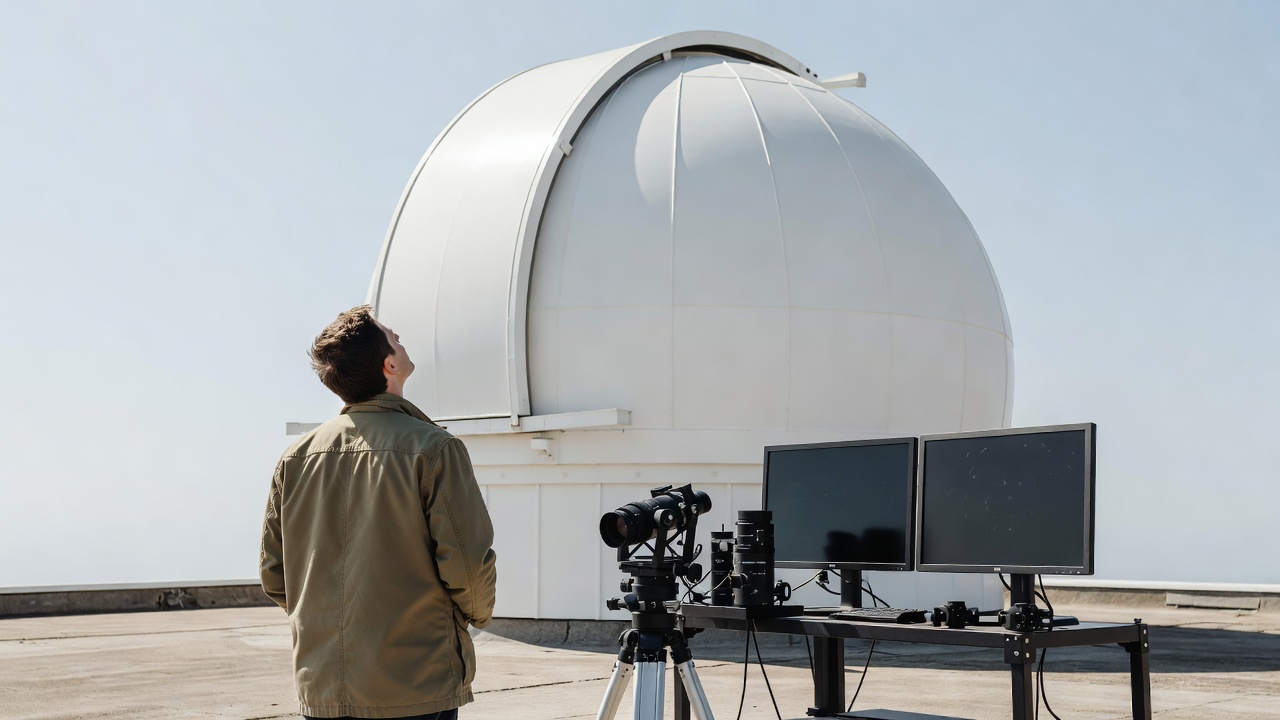
Orbital safety is the open regulatory item. Nicholls told the IAC: "We need to figure out proximity ops, how to operate these satellites together in close formation. We need to think about the sources of debris like micrometeoroids and make sure that we do not accumulate debris. And then we need to think about satellite end of life." He added that SpaceX may not want to re-enter Starmind satellites: "We may want to keep them out of Earth orbit into heliocentric orbits or graveyard orbits, and this will be new conops that we have not had to design for in the past."
The FCC deferred that request. For satellites above 600 km, SpaceX must file a modification application before flying any satellite not disposed of by atmospheric re-entry.
For an aerospace professional tracking conjunction risk (the chance of two objects passing dangerously close), the practical takeaway is that the approval covers radio operations and a staged deployment, not the end-of-life plan. Any Starmind satellite operating above 600 km that SpaceX wants to send to a heliocentric or graveyard orbit needs a separate FCC filing first, so the disposal rules for the highest shells remain unwritten. Watch for that modification application as the next concrete signal.
The most striking thing here is how much of the story sits outside the order. A million satellites got a green light on spectrum grounds, while the sky they will fill, and the way they will leave it, remain unsettled.
-- Zara Velez, Emerging Technology Editor
Sources: FCC order · Fcc · Spaceflightnow · SpaceX · NVIDIA GB200 NVL72