UVA Manning Institute Gets $6 Million Fund to Back 12 Drug Programs
November 9, 2026
The University of Virginia's Paul and Diane Manning Institute of Biotechnology has received gifts totaling $6 million from philanthropists to create the UVA Biotech Innovation Fund, a long-term funding source for its SPARK Innovative Medicines program. The headline figure is

The University of Virginia's Paul and Diane Manning Institute of Biotechnology has received gifts totaling $6 million from philanthropists to create the UVA Biotech Innovation Fund, a long-term funding source for its SPARK Innovative Medicines program. The headline figure is smaller than it sounds against the institute's own history: the $6 million is roughly 6% of the $100 million gift that launched the institute (my own ratio, not stated by either source), so the real test is how far a modest fund can stretch across the 12 programs SPARK is already backing. For readers tracking academic biotech, the question is whether a university pitch contest can produce medicines, not just press releases.
What the Research Found
The UVA Manning Institute announced on November 6, 2026 that it received gifts totaling $6 million from philanthropists to establish the UVA Biotech Innovation Fund. The fund is intended as a "sustainable source of support" for the UVA SPARK Innovative Medicines program, so that future cohorts do not depend on one-off funding. According to the institute, it will pay for "financial, project management and regulatory resources" aimed at the "earliest stages of drug discovery and development."
The money follows the program's first SPARK Tank, held in August 2026. Brian Wamhoff, Chief Strategy and Business Officer and Director of SPARK at the Manning Institute, said the competition left the institute "funding a pipeline of 12 potential medicines."
The count deserves a careful read. Wamhoff's quoted list names only 11 areas: five cancers (brain, colorectal, ovarian, skin and prostate), plus atrial fibrillation, immunology, infectious diseases, Alzheimer's, Type 1 diabetes and a pediatric rare neurological disorder. The release also describes the competition as having "resulted in the selection of several high-potential projects," a looser phrase than "12."

How the Science Works
SPARK Tank is an annual pitch competition open to UVA faculty and students. Winners receive funding, and the program also provides resources, mentorship and strategic support. The institute says it "combin[es] industry expertise and drug development resources" to move discoveries toward commercialization.
The gap SPARK targets sits between a laboratory discovery and its clinical use, which the release calls "often the greatest challenge in biotech innovation." Wamhoff framed the institute's role in those terms: "Each of these programs has the real potential to become a medicine and the Manning Institute and SPARK will bring the rigor necessary to move the science through translational valley of death."
The translational valley of death (the stretch where promising academic findings stall because no one funds the work needed to turn them into a drug candidate) is a phrase from the release's own voice. Mark T. Esser, Chief Scientific Officer and inaugural Head of the Manning Institute, described the broader mission: "The mission of the UVA Manning Institute of Biotechnology is to transform science into medicines. This gift will accelerate our work to turn innovative discoveries into medicines that help patients."
The institute lists three parts to its mission: accelerating science into medicines, building a biotech ecosystem of jobs and companies, and educating future biotech leaders.
What It Means for Patients
The pipeline spans a wide range of conditions. The disclosed areas are:
- Five cancers: brain, colorectal, ovarian, skin and prostate
- Atrial fibrillation
- Immunology
- Infectious diseases (the release text reads "infection diseases")
- Alzheimer's disease
- Type 1 diabetes
- A pediatric rare neurological disorder
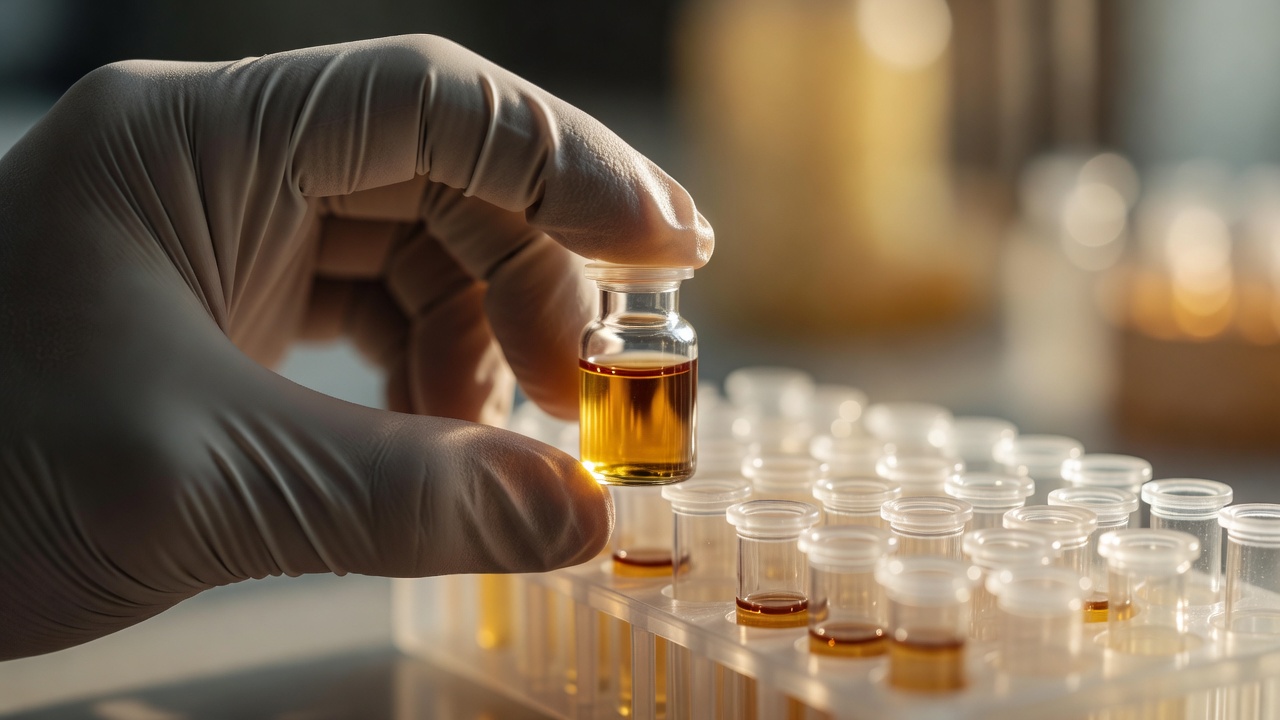
None of these are treatments patients can receive. Wamhoff's statement that each has "real potential to become a medicine" is a statement of potential, not of results, and the source reports no trial phases, safety data or efficacy figures.
The breadth cuts both ways. Twelve programs across oncology, cardiology, neurology, metabolic disease and infection give a chance that some will advance, but they also spread a $6 million fund thinly.
The institute frames itself as aiming to be "a national leader in biotechnology innovation," which is an aspiration, not a ranking.
The closest context is the institute's own origin: a $100 million gift from Paul and Diane Manning launched it, according to a January 2023 Forbes report. Against that, the new $6 million is modest. Adjacent public infrastructure exists, such as the NIH's Clinical and Translational Science Awards (CTSA) Program, a national network of medical institutions meant to speed the translation of discoveries into care, and NIH's SBIR and STTR programs (federal grants for small companies developing new technologies), which NIH describes as weighing a technology's innovativeness, commercial potential and societal impact. Neither is a direct peer of the UVA fund.
The Road to Clinic
That absence matters, because the valley of death is defined by milestones: the data packages, regulatory preparation and project management that convince later investors or partners to take a program forward.
The federal framing is useful for scale. NIH's National Center for Advancing Translational Sciences (NCATS), established in 2011, describes its mission as turning research observations into health solutions and its vision as more treatments for all people more quickly. NCATS says the translational science spectrum represents the stages of research involved in that effort. UVA's approach is a university-run version of the same problem, concentrated at the earliest stage.
Esser tied the work to patients directly: the aim is to "turn innovative discoveries into medicines that help patients." No approval odds are offered here, and none are implied.
What's Next
SPARK Tank is described as annual, so another round after the August 2026 inaugural competition is a reasonable inference, though no dates were given. The fund's stated purpose, supporting future cohorts, points the same way.
Several questions remain open. The fund was announced on November 6, 2026.
Since its 2023 launch, the Manning Institute has built a pitch contest, a pipeline and a funding vehicle. What it has not yet shown is a single program leaving the valley. The $6 million supports the next cohort, but the number that will matter is not the size of the gift. It is how many of those 12 candidates are still moving in 2028.
For retail investors following biotech, this is a signal about the pipeline of university spinout candidates, not an investable event. The 12 programs are not companies, the fund sets no disclosed per-project amounts, and the institute lists jobs and company formation as a goal, not a result. A useful yardstick is the $6 million fund divided across 12 programs, about $500,000 each if spread evenly. Treat anything resembling a spinout as a multi-year watch item until milestones are published.
-- Zara Velez, Emerging Technology Editor
Sources: NIH NCATS · NIH · News Medical