Vulcan Rocket Failure Destroys 40 Amazon Leo Satellites in ULA's First Loss
November 17, 2026
A United Launch Alliance Vulcan rocket carrying 40 Amazon Leo satellites failed about 10 minutes into its Nov. 15, 2026 flight, destroying the entire payload and handing ULA the first outright launch failure since the company was formed in 2006.
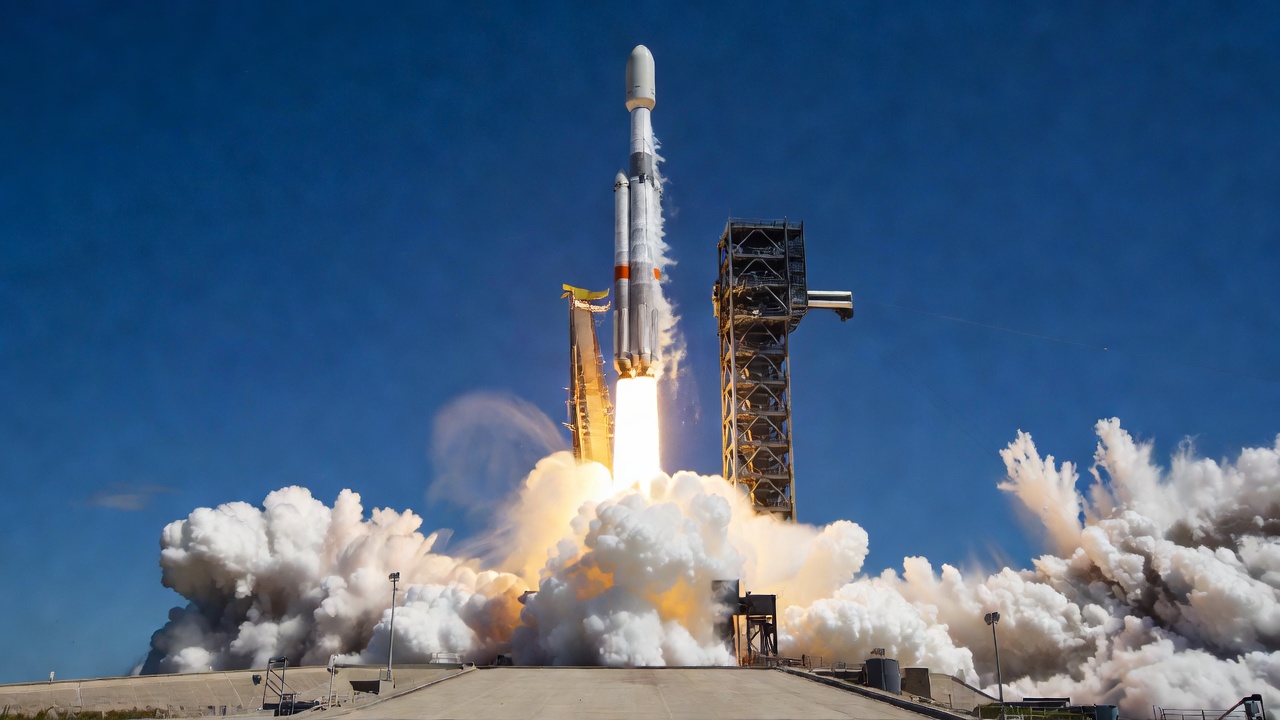
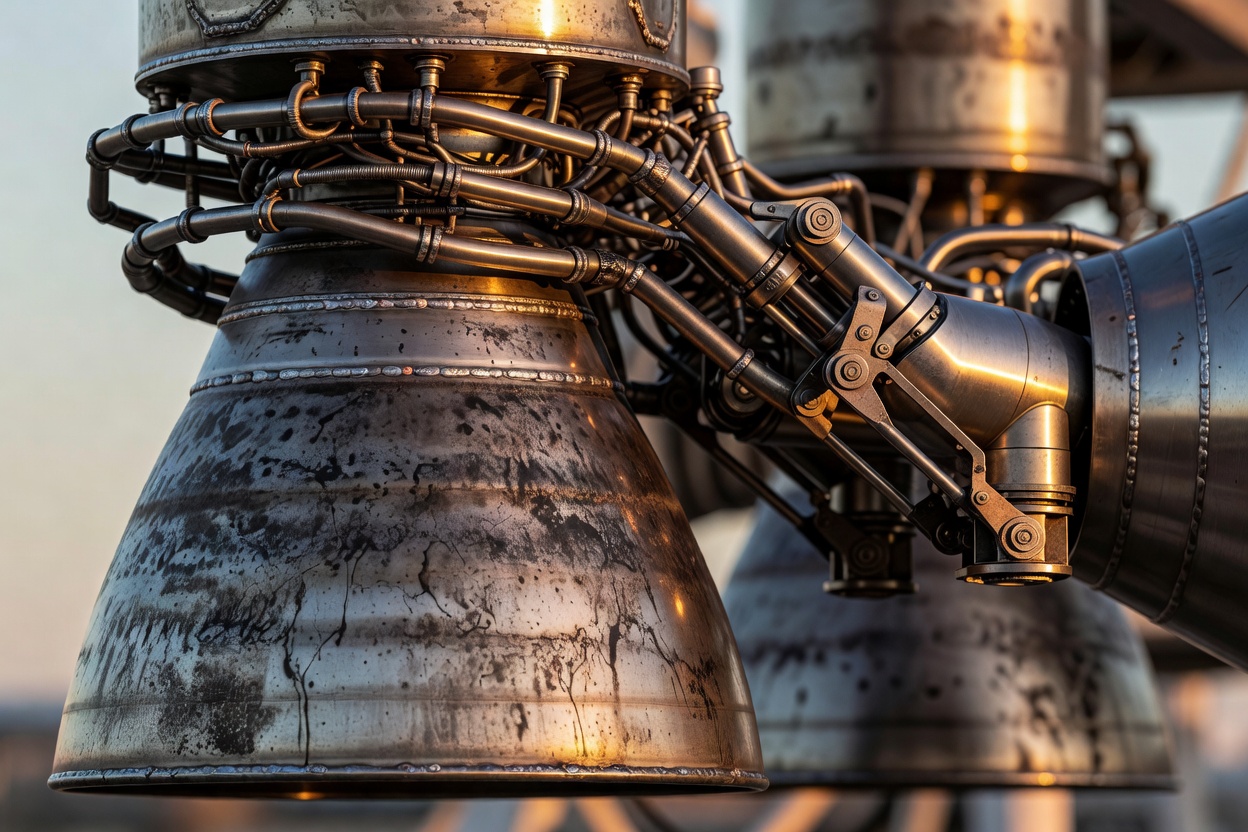
A United Launch Alliance Vulcan rocket carrying 40 Amazon Leo satellites failed about 10 minutes into its Nov. 15, 2026 flight, destroying the entire payload and handing ULA the first outright launch failure since the company was formed in 2006. The failure also hit a rocket that flies on two Blue Origin BE-4 engines, the same engine family tied to a faulty oxygen valve in one of the seven first-stage engines on New Glenn, and Vulcan's engines had reportedly been retrofitted before this flight. For Amazon, two of its main launch providers now share an engine and a question mark.
What Happened
The Vulcan VC6L, standing about 214 feet by ULA's figure (Spaceflight Now reports 215 ft; NASASpaceflight.com lists 65 m), lifted off from Space Launch Complex 41 at Cape Canaveral Space Force Station at 12:40 p.m. EST (17:40 UTC) on Sunday, Nov. 15. The mission, designated LV-01 and also called Vulcan Leo 1, flew at the very end of a 29-minute window that opened at 12:11 p.m. The countdown had held at T-20 seconds. Spaceflight Now described an "unexplained technical issue," while NASASpaceflight.com cited a "pressure-reducing valve anomaly."
The ascent initially looked routine. The six Northrop Grumman solid boosters burned out and fell away about 1 minute 40 seconds after liftoff, and the solids appeared to work normally. After that, the telemetry showed hints of trouble. The two BE-4 methane engines on the first stage appeared to burn longer than the pre-launch timeline, and the first stage appeared to separate later than expected. Telemetry animation then showed the Centaur V upper stage making "unusual orientation adjustments" early in its burn.
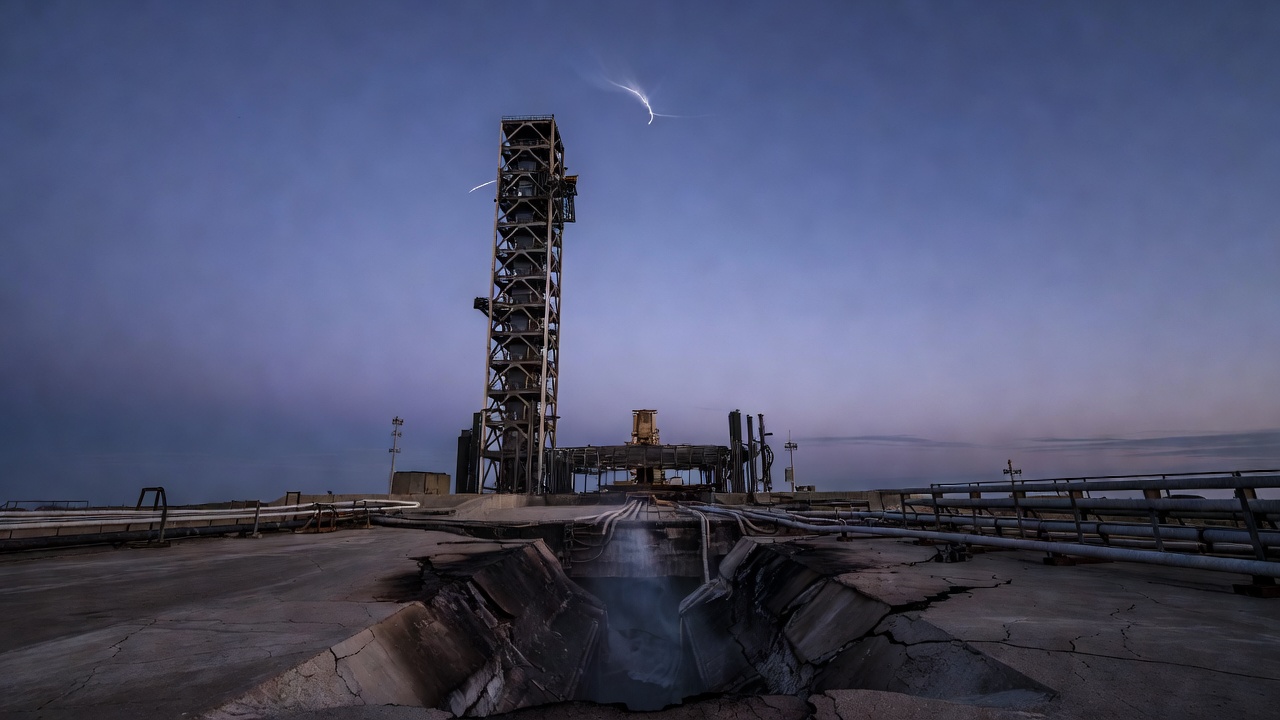
ULA issued its statement about 50 minutes after liftoff. "Based on data received by our Launch Director, we confirm that the Vulcan vehicle launched from Space Launch Complex 41... suffered an anomaly 10 minutes into the flight and failed to deliver the Amazon mission to orbit," the company said. The planned Centaur burn was 12 minutes 15 seconds, so the anomaly came before that burn was due to end.
The Science Behind It
Vulcan's liftoff thrust of about 3.8 million pounds-force (lbf, the unit used for rocket thrust) comes from six Northrop Grumman solid boosters plus two BE-4 engines. NASASpaceflight.com's figure of 17.2 meganewtons for the GEM-63XL booster configuration is consistent, at roughly 3.87 million lbf. In this VC6L configuration, the rocket can lift up to 27,200 kg to low Earth orbit (the band of space a few hundred kilometers up where most broadband constellations operate).
NASASpaceflight.com characterizes the failure as "an anomaly during second stage flight," and Spaceflight Now says something "went wrong during that Centaur firing."
Vulcan's record before this flight was already uneven. Two of its first four missions had solid booster nozzle anomalies, though the payloads still reached orbit: in October 2024 on flight 2, and in February 2026 on USSF-87. Before this launch, ULA CEO Mark Peller told Aviation Week & Space Technology: "We've identified three credible causes (of the nozzle issue), and we have taken positive steps to mitigate all of those." Peller also said Blue Origin developed a "design improvement" for the BE-4 and carried out a "retrofit." "They were down at our facilities probably a couple months ago and implemented that retrofit kit on the engines on this upcoming mission... And they're working with us to work through our inventory of engines."
Why This Mission Matters
LV-01 was the fifth Vulcan flight and the first in nine months, following the February USSF-87 nozzle problem. It was also the first flight of the 38 Vulcan launches Amazon bought. The U.S. Space Force put Vulcan national security launches on hold after the earlier nozzle problems, and that hold predates this failure.
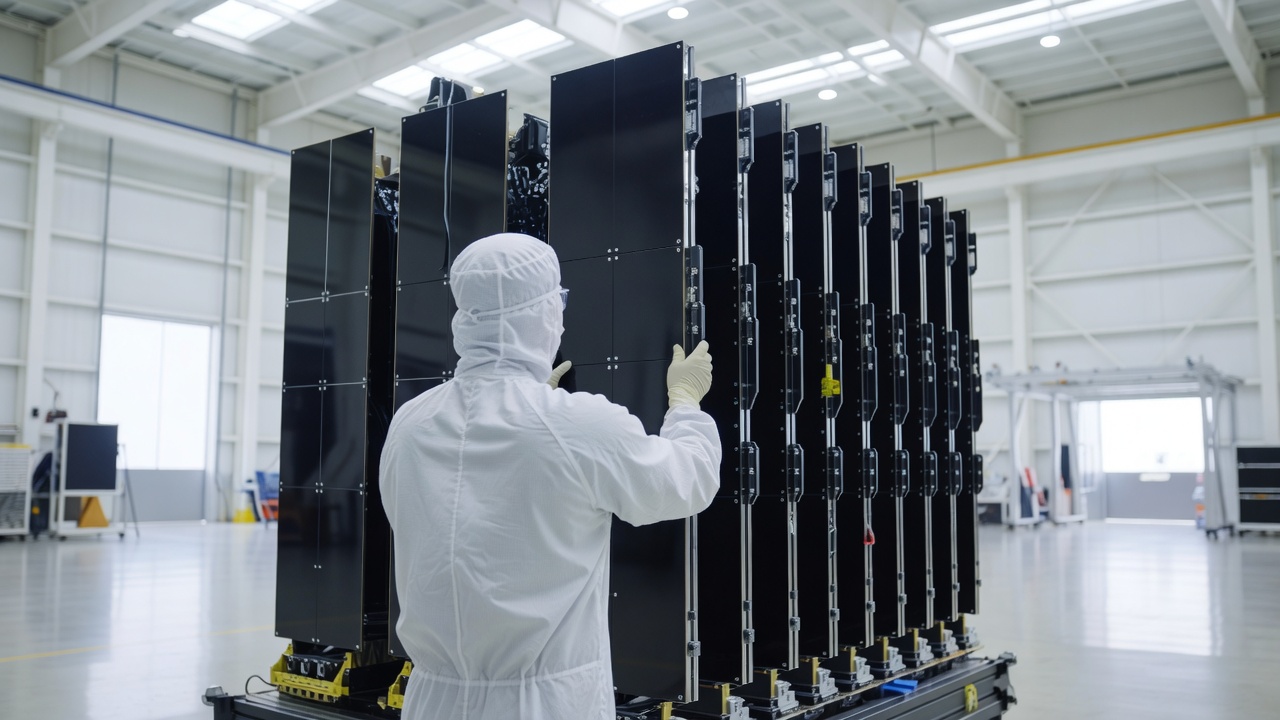
The scale of the loss follows from Amazon's constellation plan. The full Leo system needs more than 3,300 satellites, and this flight would have brought the total to 436. By that arithmetic, which is this publication's calculation and not a figure from Amazon, about 396 were in orbit beforehand.
Competitive Landscape
Amazon spread its launches across several providers to avoid a single point of failure. The failure now strains that plan in two places at once:
- ULA (Atlas 5 and Vulcan): eight Leo launches have already flown on Atlas 5, and Amazon bought 38 Vulcan launches. Vulcan's return to flight depends on the investigation.
- Blue Origin (New Glenn): 24 Amazon launches. New Glenn's problem was traced to a faulty oxygen valve in one of its seven BE-4 first-stage engines. Blue Origin builds the BE-4 for both rockets, so the engine is the common thread.
- Ariane 6: 24 Amazon launches, a separate route to orbit that does not use the BE-4.
- SpaceX (Falcon 9): 13 Amazon launches. SpaceX is the dominant launcher, and every rival's failure widens that gap.
What Comes Next
ULA says it will "work closely with our customer and other appropriate organizations to find the cause, determine the appropriate corrective action and return to flight as quickly as possible." It adds: "ULA is committed to full transparency with our customers, and they will have visibility into the investigation process, which utilizes rigorous methodology and corrective action."
Several questions will shape the next months. The Space Force hold on Vulcan national security launches continues, and Amazon's ability to shift satellites to other rockets will depend on which providers are flying. Peller, who gave the pre-launch assurances about the engine retrofit, will be the ULA executive most closely tied to what the investigation finds.
The most striking thing here is how the retrofit story cuts both ways. Amazon built redundancy into its launch plan, but when two suppliers share an engine, redundancy is thinner than the contract count suggests.
For satellite operators and aerospace procurement teams, the practical lesson is about scheduling. Amazon has 38 Vulcan launches booked and 24 more on New Glenn, which flies the same BE-4 engine family, so any plan that assumed a steady ULA cadence in the coming months now has to be rebuilt around Ariane 6 and Falcon 9 availability, with no return-to-flight date to plan against.
-- Zara Velez, Emerging Technology Editor
Sources: SEC · Amazon · Spaceflight Now (reporting on ULA's statement)