NASA's Swift Observatory Re-enters Over Indonesia Before $30 Million Rescue Could Arrive
November 5, 2026
NASA's Neil Gehrels Swift Observatory, a spacecraft of roughly 1.6 tons, re-entered the atmosphere at 7:39 a.m. EST (1239 UTC) on Wednesday, Nov.

NASA's Neil Gehrels Swift Observatory, a spacecraft of roughly 1.6 tons, re-entered the atmosphere at 7:39 a.m. EST (1239 UTC) on Wednesday, Nov. 4, 2026, over North Sumatra, Indonesia, ending a mission of nearly 22 years. The structural story sits beneath that headline: a satellite designed to last two years lived more than ten times longer than planned, then came down after a $30 million commercial rescue attempt failed. For astronomers who relied on Swift to catch the sky's most violent flashes within about a minute of their appearance, the loss is practical, not symbolic.
What Happened
Swift re-entered at about 3 degrees north, 99 degrees east, over Indonesia's North Sumatra region. U.S. Space Force tracking data placed it there, and NASA later confirmed the location. The Space Force's final prediction window ran from 6:42 to 8:42 a.m. EST (1142 to 1342 UTC), and the actual re-entry fell close to the center of that two-hour span. The window's midpoint is 7:42, so by this article's arithmetic Swift arrived about three minutes early.
That precision came late. As of Monday, Nov. 2, the Space Force forecast put re-entry at about 3:30 a.m. EST on Nov. 4, within about 21 degrees north or south of the equator, a band that is mostly ocean. The real event came roughly four hours after that forecast. In other words, even two days out the forecast was off by hours, and only the final window narrowed the answer to a span of two hours.

NASA said in a Swift blog update on Wednesday afternoon: "NASA expected most of the spacecraft to burn up as it traveled through the atmosphere, but some components may have survived re-entry." Before the event, NASA spokesperson Elizabeth Shaw put the risk of harm to anyone on Earth from surviving fragments at approximately 1 in 2,100.
The Science Behind It
Swift had no engine, so it could not raise its own orbit. Solar activity heats and swells the upper atmosphere, which produces more atmospheric drag (the friction from thin air that slowly robs an orbiting object of speed) at a given altitude. For a satellite in low Earth orbit, a busier Sun therefore means a shorter life.
The decay also feeds on itself. Each air molecule the satellite strikes costs it a little speed, which drops it into denser air that slows it faster still. Swift had been descending "a few miles a day" before the end. Its last observation came on Oct. 20, from about 171 miles (275 kilometers) up, which left only 15 days until re-entry.
By the end, Swift weighed roughly 3,200 pounds (1,452 kg) and hit the atmosphere at about 17,000 mph. That works out to roughly 4.7 miles every second, by this article's arithmetic. The 1-in-2,100 ground-risk figure covers the chance that surviving fragments harm anyone.
Why This Mission Matters
Swift launched on Nov. 20, 2004, on a Delta 2 from Cape Canaveral. NASA describes it in its reentry announcement this way: "At launch, Swift was a first-of-its-kind multiwavelength observatory designed to study the most powerful explosions in the cosmos using its three telescopes." It was built for two years. It ran for nearly 22.
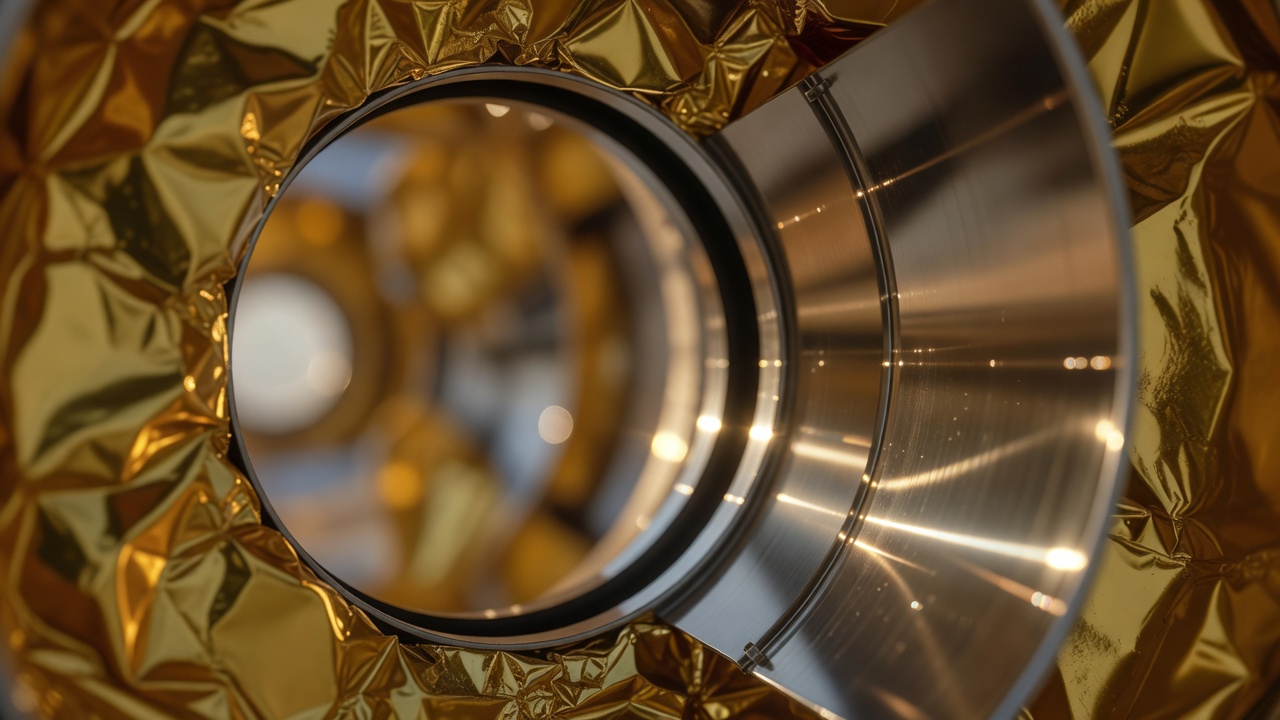
The output, per NASA, includes:
- More than 2,000 gamma-ray bursts (brief, intense flashes of high-energy light from the most powerful explosions in the cosmos) observed
- More than 1,400 supernovae studied
- About 7,000 scientific papers
Spread across its life, 2,000 bursts is at least 90 a year, by this article's arithmetic. Speed was the design's defining feature: Swift slewed (swung its instruments) toward new bursts within about a minute, which matters because these explosions fade quickly. NASA also says Swift "broadened our understanding" of subjects from active galaxies powered by supermassive black holes and stars undergoing X-ray flares to supernova explosions and comets and asteroids in our own solar system.
Competitive Landscape
The commercial angle is the rescue. NASA paid Katalyst Space, described in one source as an Arizona-based startup, $30 million to build and fly a robotic tug called LINK that would reach Swift and push it higher. LINK launched July 3. Weeks later it lost attitude control (the ability to hold its orientation in space), and NASA called off the capture on Aug. 19.
From launch to the called-off capture was 47 days. From that decision to re-entry was 77 more. The sources name no direct peer or competing servicing company, so this article names none and makes no comparison to other in-space servicing efforts.
What Comes Next
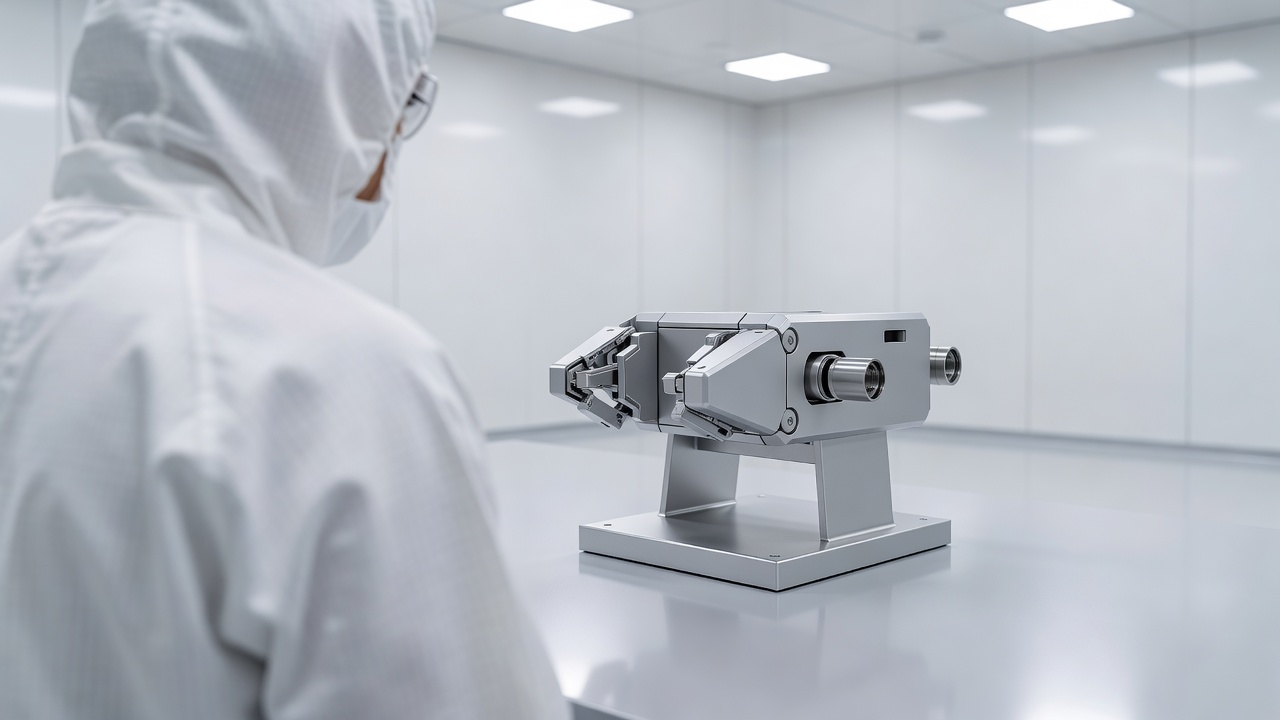
For future servicing of aging satellites, the Swift episode adds a hard data point on timing. Drag shortens a satellite's life on a schedule set by the Sun, and a tug that arrives late or arrives impaired has nothing to push. Swift kept falling at a few miles a day while the rescue effort failed and then stood down.
Swift was meant to last two years, kept watching for nearly 22, and in the end could not be saved by the one thing built to save it. Its last act was to fall almost exactly where tracking said it would, a precise ending for an instrument that spent its life being first to look. Gamma-ray bursts will keep arriving, and for now fewer instruments will catch them in the first minute.
For a satellite operator weighing an orbit-boost or life-extension contract, the lesson is in the numbers: $30 million bought a tug that lost orientation weeks after launch, against a client falling a few miles a day. Contract terms that account for schedule risk, not just launch, are the line item worth reading first.
-- Zara Velez, Emerging Technology Editor
Sources: NASA · SEC · Spaceflight Now, relaying NASA's statements