Pheno Wins Two GPR17 Patents, but UCB Owns PTD802's Core Molecule
November 19, 2026
Pheno Therapeutics Limited has been granted two patents, GB2642355 and GB2700773, covering the polymorph of its lead drug PTD802 and the composition of matter for its second candidate PTD939, both selective antagonists of the GPR17 receptor. The PTD802 patent matters less for
Pheno Therapeutics Limited has been granted two patents, GB2642355 and GB2700773, covering the polymorph of its lead drug PTD802 and the composition of matter for its second candidate PTD939, both selective antagonists of the GPR17 receptor. The PTD802 patent matters less for what it invents than for who owns the underlying molecule: the core composition-of-matter rights sit with UCB, which exclusively licenses them to Pheno. Pheno is building a protective layer on top of a licensed asset. For readers following neurology biotech, the timing is concrete: a first-in-human study of PTD802 is due to begin in Q4 2026, and this article explains what the patents do and do not protect.
What the Research Found
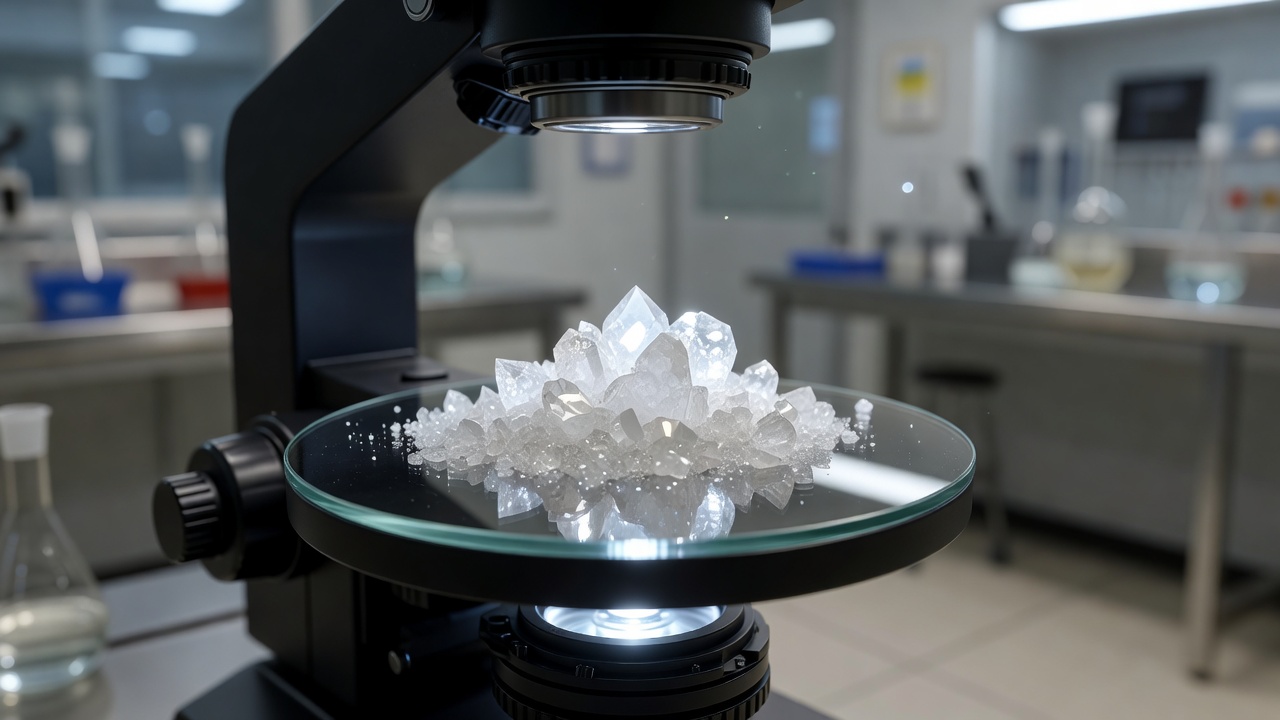
Pheno announced on November 18, 2026 that it had been granted two patents protecting its GPR17 antagonist pipeline (drugs that block G protein-coupled receptor 17). GB2642355 covers a polymorph, a crystalline form, of PTD802, which the company's release calls "the specific form of Pheno's lead clinical candidate being taken into the clinic." GB2700773 is a composition-of-matter patent for PTD939, which the release describes as "the strongest form of protection for a new drug."
Each patent has a companion international filing. WO2026/008995 is the PCT application (an international patent application filed under the Patent Cooperation Treaty) for the PTD802 polymorph, and WO2025/243046 covers the PTD939 compounds. According to Pheno, these are "currently undergoing preparation for national or regional filings in several key territories worldwide."

Fraser Murray, PhD, Pheno's chief executive, framed the announcement in a company press release: "We are building a strong, layered IP position around GPR17 with two protected assets, one of which is already cleared for clinical study in the UK and US. The chemistry and development work carried out by the Pheno team has been instrumental in the success of these patent applications, which will now go on to support the long-term value of the pipeline. We look forward to providing further updates as we progress PTD802 to a first-in-human trial." As a statement from the company's own CEO, it is promotional by nature.
The release does not name the granting office. The "GB" prefixes suggest UK-level rights, but that is an inference, not a stated fact.
How the Science Works
GPR17 (G protein-coupled receptor 17) is the target of both programs. PTD802 is a novel small molecule designed to promote remyelination (the repair of myelin, the insulating sheath around nerve fibers), with an initial focus on multiple sclerosis. The source material provides no preclinical efficacy data and does not explain the receptor's biology in detail, so how strongly blocking GPR17 drives repair in people remains to be shown.
The patent types differ in what they protect. A composition-of-matter patent (a patent on the molecule itself) is the broadest form. A polymorph patent covers a particular crystal arrangement of a molecule. The form matters because it is the physical version of the drug that is manufactured and given to patients: the same molecule can pack into different crystal structures, and those structures can behave differently in manufacturing and storage. Pheno says GB2642355 covers the specific form being taken into the clinic.
Existing UCB patents, exclusively licensed to Pheno, already give composition-of-matter protection for PTD802 "in many countries worldwide." The new polymorph patent layers on top of them.
What It Means for Patients
PTD802 is aimed first at multiple sclerosis, a disease in which the nervous system's myelin coating is damaged, and PTD939 initially targets ALS (amyotrophic lateral sclerosis, a neurodegenerative disease). Pheno describes the pipeline as having "the potential to deliver a new class of neuroprotective therapeutics."
Patents protect the right to develop and sell a drug. They say nothing about whether it works. No clinical data exist for either candidate, and the source contains no trial-size, efficacy or market figures. Patient benefit is unproven, and anyone living with MS or ALS should read this as a development milestone, not a treatment option. The practical effect of the patents is on investment: protected assets are easier to fund through years of trials, which is the long-term value Murray referred to.
Competitive Landscape
No directly comparable commercial peers were publicly identifiable at publication time in GPR17 antagonist development. Pheno describes itself as a clinical-stage biotech focused on small-molecule therapeutics for neurological and neurodegenerative diseases, and UCB appears in the material only as licensor. UCB gave Pheno the exclusive worldwide license under which PTD802 was developed. Adjacent activity is not described in the source, so a direct competitive ranking would require disclosures not yet released.
Pheno's structure is three layers: the licensed UCB patents on PTD802, the new polymorph patent, and the new composition-of-matter patent on PTD939. In practice, that means two different programs are protected in two different ways, one by stacking rights on a licensed molecule and one by owning the molecule outright. The source contains no patent-term or financing data.
Independent analyst commentary specifically on this announcement was not publicly available at publication time.
The Road to Clinic
PTD802 has cleared two regulatory gates: a clinical trial authorisation (CTA) from the UK's MHRA and an IND (Investigational New Drug application) with the US FDA. Under UK rules, trials go through a combined review service that gives one coordinated MHRA and ethics committee review and a single UK decision, per MHRA guidance. In the US, the IND is how a sponsor obtains an exemption from the federal requirement that a drug have an approved marketing application before interstate transport. It must contain pharmacology and toxicology studies, manufacturing information, and clinical protocols, and the sponsor must wait 30 calendar days for FDA safety review before starting trials.
A snippet on adventls.com dates the FDA IND clearance to June 22, 2026.
The first-in-human study is due to begin in Q4 2026 and will evaluate safety and tolerability in healthy volunteers. The source gives no volunteer numbers, sites or dose-escalation plan. A study in healthy volunteers can show whether the drug is tolerated, but not whether it repairs myelin in people with MS.
What's Next
The immediate milestone is the start of PTD802's first-in-human trial, with Pheno promising further updates as it progresses. PTD939 is the second program, initially for ALS, and the source gives no clinic timeline for it.
Three items are worth watching:
- Foreign filings: whether WO2026/008995 and WO2025/243046 lead to granted patents in other countries. Each country still examines a PCT application on its own terms, and the source says only that national filings are being prepared.
- Safety data: what the Q4 2026 study shows about safety and tolerability.
- Efficacy: no efficacy data are in the source, and none will come from a healthy-volunteer study.
For an investor weighing biotech exposure, the practical read is that Pheno has strengthened its intellectual property before any human data exist. A patent is a prerequisite for value, not evidence of it. Pheno's release gives no financing figures, no runway and no financial terms for the UCB license, so there is nothing in the material to price. The meaningful event is the first safety readout, and the source gives no date for it. Remyelination remains a hard problem, and the first real answer will come from a clinic, not a patent office.
-- Zara Velez, Emerging Technology Editor
Sources: Uspto · PubMed Central · Pheno Therapeutics press release (via News-Medical)