NASA Plans Unpiloted Starliner Test Flight to Space Station This WinterNASA Plans Unpiloted Starliner Test Flight to Space Station This WinterNASA Plans Unpiloted Starliner Test Flight to Space Station This WinterNASA Plans Unpiloted Starliner Test Flight to Space Station This Winter
September 30, 2026
NASA and Boeing are targeting December or January for an unpiloted Starliner 1 flight to the International Space Station, a proving run for redesigned thruster valves after the 2024 crewed mission billed as a 10-day test stretched to 286 days. The headline is the do-over, but
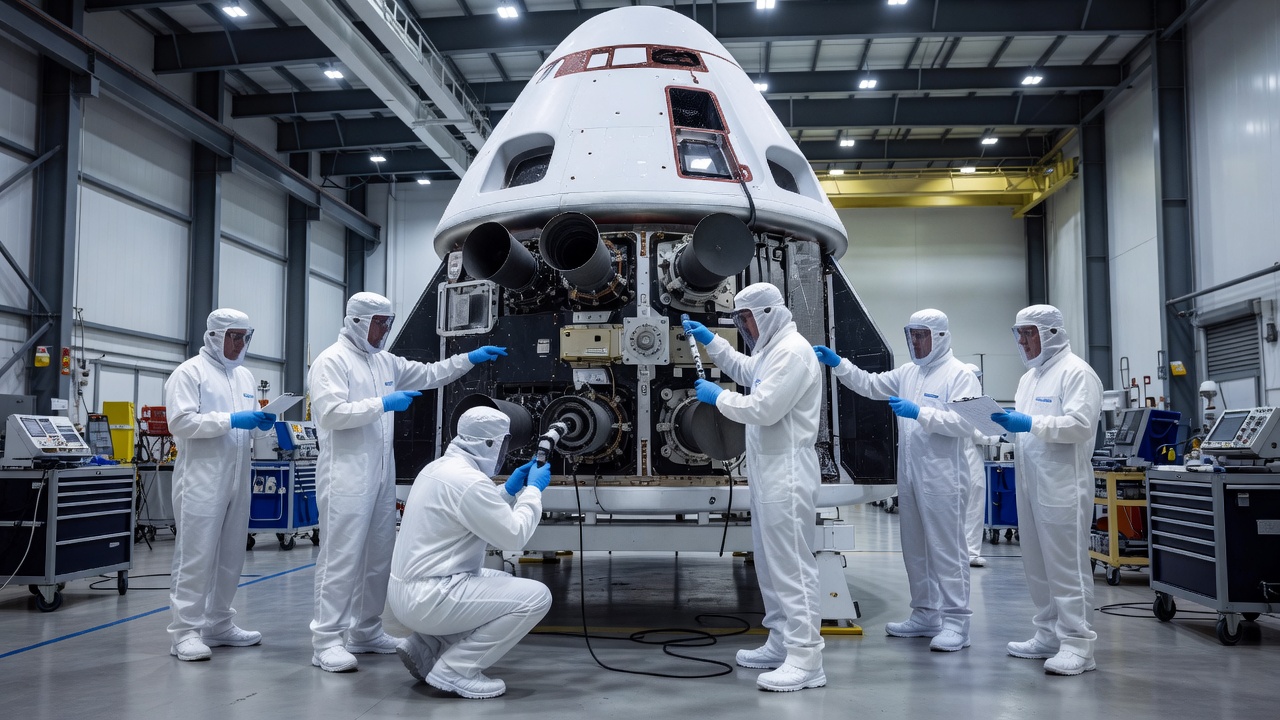
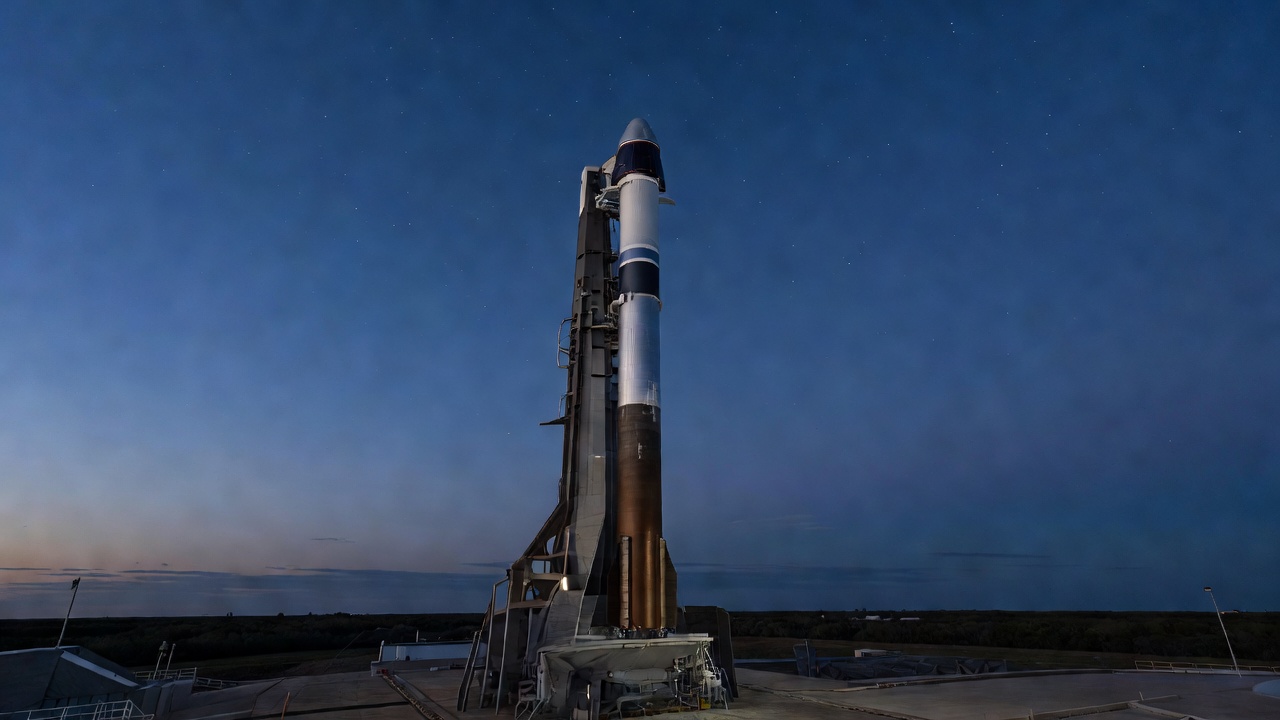
NASA and Boeing are targeting December or January for an unpiloted Starliner 1 flight to the International Space Station, a proving run for redesigned thruster valves after the 2024 crewed mission billed as a 10-day test stretched to 286 days. The headline is the do-over, but the structural story is a schedule squeeze: a second U.S. crew ferry has to be certified before the station's planned 2030 retirement, and only a half dozen Atlas 5 boosters (the rocket that carries Starliner) remain in United Launch Alliance's inventory. For anyone tracking whether the United States will have more than one way to reach low Earth orbit, this flight is the gate every later Starliner mission passes through.
What Happened
Butch Wilmore and Sunita Williams launched on Starliner on June 5, 2024, on what was billed as a 10-day test flight. It became a 286-day stay, nearly 29 times the promised length and more than nine months on the station. Starliner returned to Earth empty three months after launch, and the two astronauts spent six additional months on the station before returning on a Crew Dragon on March 18, 2025. Both are now retired from NASA.
NASA's Dana Weigel, manager of the agency's low-Earth orbit operations, outlined the plan. Starliner 1 will fly without crew in a December-January time frame, rendezvous with the station (meet it in orbit and match its path) and dock with it (physically connect).
Weigel set the pace as readiness-driven rather than date-driven. "Our goal is to fly Starliner One as soon as the vehicle and the team is ready," she said. "We really need to see how those thermal modifications perform on the spacecraft, and we intend to put the propulsion system through its paces."
That makes the December-January window a target, not a commitment. Weigel tied the launch to the readiness of the vehicle and the team, and the first thing she named as needing proof in flight was the thermal modifications.
The Science Behind It
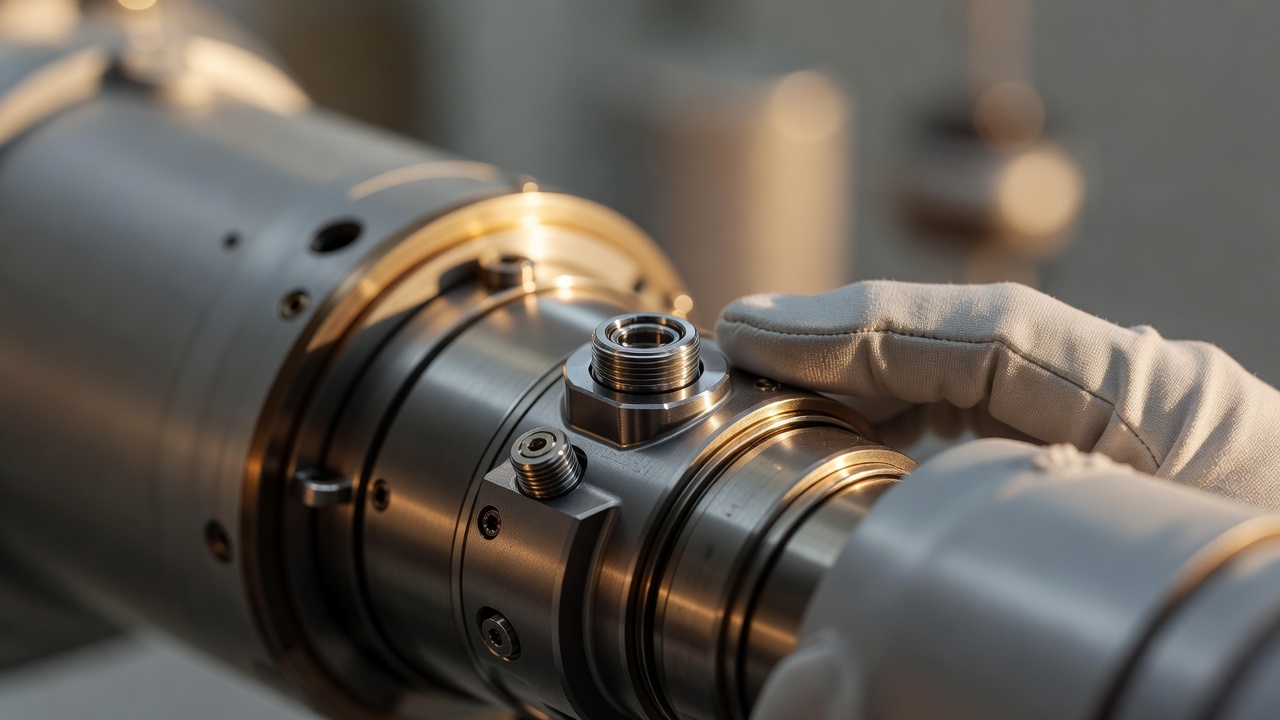
The 2024 trouble centered on propulsion. Five service module thrusters (the engines on the section beneath the capsule that handle maneuvering in orbit) failed during rendezvous, causing what the source article called a temporary loss of full maneuverability. Reportedly, the cause was traced to Teflon poppets (small moving seals inside propellant valves) that extruded and restricted propellant flow.
The problems went beyond that. Reportedly, a crew module thruster failed during the unpiloted descent, leaving the ship without redundancy in a critical system, and helium leaks appeared in the propulsion pressurization plumbing. An independent review board identified three major problems, found the design lacked required redundancy in the system that fires the deorbit burn (the engine firing that brings the capsule back down), and classified the mishaps as a "close call" that put the astronauts in jeopardy.
The fix list, beyond the headline hardware change, reportedly includes:
- Valves replaced in all 12 crew module maneuvering thrushers, with erosion-prevention measures.
- Service module thruster poppets redesigned.
- A faster flight data recorder to measure thruster performance more precisely.
- Upgraded batteries and improved parachutes.
- Operational changes to reduce the unexpected heating that contributed to the thruster problems.
Starliner 1 is built to test those changes. "We'll do a series of on-orbit demonstrations and tests, stress the thrusters, and we'll take that set of data coming out of the mission combined with redesign, and that's what will inform the final crewed vehicle certification," Weigel said. "We will fly the Starliner One mission with stricter performance parameters in place when we're flying closer to space station."
Two themes run through her comments. One is heat, the subject of the thermal modifications she named first. The other is thrust, since she said the propulsion system will be put through its paces. Because the spacecraft flies empty, NASA can push both harder than it could with people aboard.
Why This Mission Matters
Starliner 1 follows two earlier uncrewed test flights, both of which had problems, then a crewed flight that ended with the capsule coming home empty. Flying unpiloted again puts the redesigned hardware through the full rendezvous and docking sequence before any astronaut is aboard.
NASA's stated rationale is redundancy in access, not a contest between vendors. "It's always been the Commercial Crew Program's goal to have two crew transportation providers to ensure commercial access to low Earth orbit," Weigel said. NASA's Commercial Crew Program describes its aim as safe, reliable, cost-effective human transportation to and from the station through partnership with American private industry.
The clock is the ISS itself. The station is planned to retire in 2030, and the hoped-for crewed flight is mid-2028. Weigel also pointed past the station: "Certifying Boeing's Starliner is important for both supporting ISS and also for follow-on future commercial destinations."
Competitive Landscape
SpaceX (the incumbent) operates Crew Dragon, described in the source as the only currently operational U.S. astronaut ferry ship; that claim is the source's and was not independently checked. Dragon also brought Wilmore and Williams home. SpaceX states that Dragon carries up to seven passengers and that in 2020 it returned America's ability to fly NASA astronauts to the station on American vehicles for the first time since 2011.
Boeing (the challenger) designed Starliner to accommodate seven passengers, or up to four NASA-sponsored crew on station missions, and describes it as reusable up to 10 times. United Launch Alliance supplies the rocket: Atlas 5 is the booster behind the shrinking inventory noted above, and Vulcan is its other rocket.
Both companies addressed the plan on X. Boeing wrote that, together with NASA, it is "making Starliner hardware enhancements and adding resources for human spaceflight certification." ULA said it is "already working towards the Starliner-1 mission" and looks forward to integrating and certifying its Vulcan rocket for human spaceflight. Weigel noted the longer horizon: "As SpaceX has publicly stated, the Dragon and the Falcon won't be around forever."
Independent analyst commentary specifically on this announcement was not publicly available at publication time.
What Comes Next
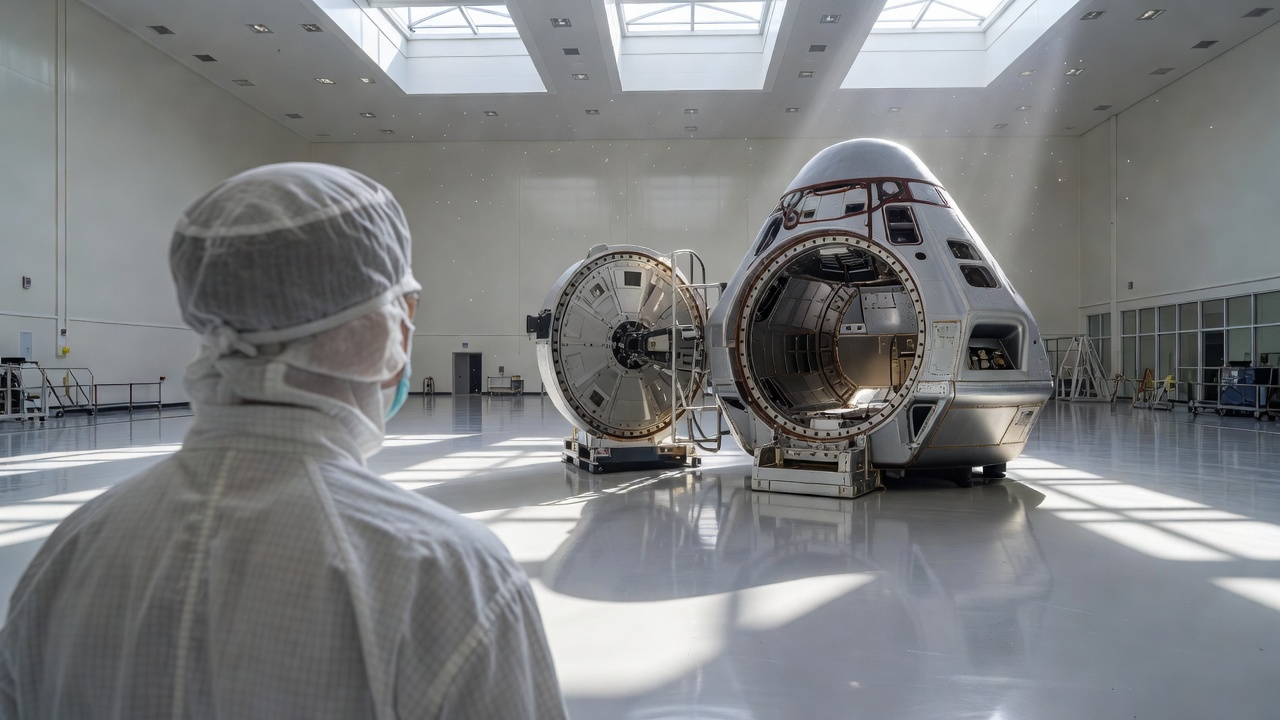
The immediate milestone is the December-January flight: rendezvous, docking, and a run of on-orbit demonstrations and tests that stress the thrusters. If it goes well, NASA hopes to launch the first piloted Starliner flight in mid-2028. That is a hope, not a commitment.
Veteran astronaut Warren "Woody" Hoburg "will command the mission," according to the source. The wording appears directly after the mid-2028 crewed flight, but it does not state explicitly which flight it means, and an unpiloted Starliner 1 would have no commander. Treat the assignment as unconfirmed. Other crew members were not named.
Open questions remain. Public detail is thin on contract terms, on the pass criteria for certification, on Vulcan's human-rating schedule, and on whether six remaining Atlas 5 boosters is enough for the plan. Weigel said data from this flight combined with the redesign will inform certification, so watch for how the thrusters behave close to the station under the stricter limits.
The 10-day flight that lasted 286 days showed what an untested assumption costs when it is in orbit with people attached. Sending the capsule up empty is the cheapest way to learn the same lesson, and the agency appears to have chosen it deliberately. The larger tension is timing: every month spent proving the valves is a month off a 2030 deadline that does not move.
For a mission planner or aerospace procurement analyst, the number to track is not the launch date but the count of validated ferry options through 2030: one today, two only if Starliner 1's thruster data survives review, and a half dozen Atlas 5 boosters as the inventory that second option can draw on before it would depend on Vulcan.
-- Zara Velez, Emerging Technology Editor
Sources: NASA · NASA · Spaceflight Now report on NASA's Starliner 1 plans · Starliner valve troubles