APS and TEP Plans Add Gas and Delay Coal Exits in Arizona
November 3, 2026
Arizona Public Service (APS) plans to add more than 4,000 MW of new gas generation by 2041 in its 2026 Integrated Resource Plan, while Tucson Electric Power (TEP) proposes 300 MW of its own. The larger story sits beneath those totals: both utilities are reversing earlier exit
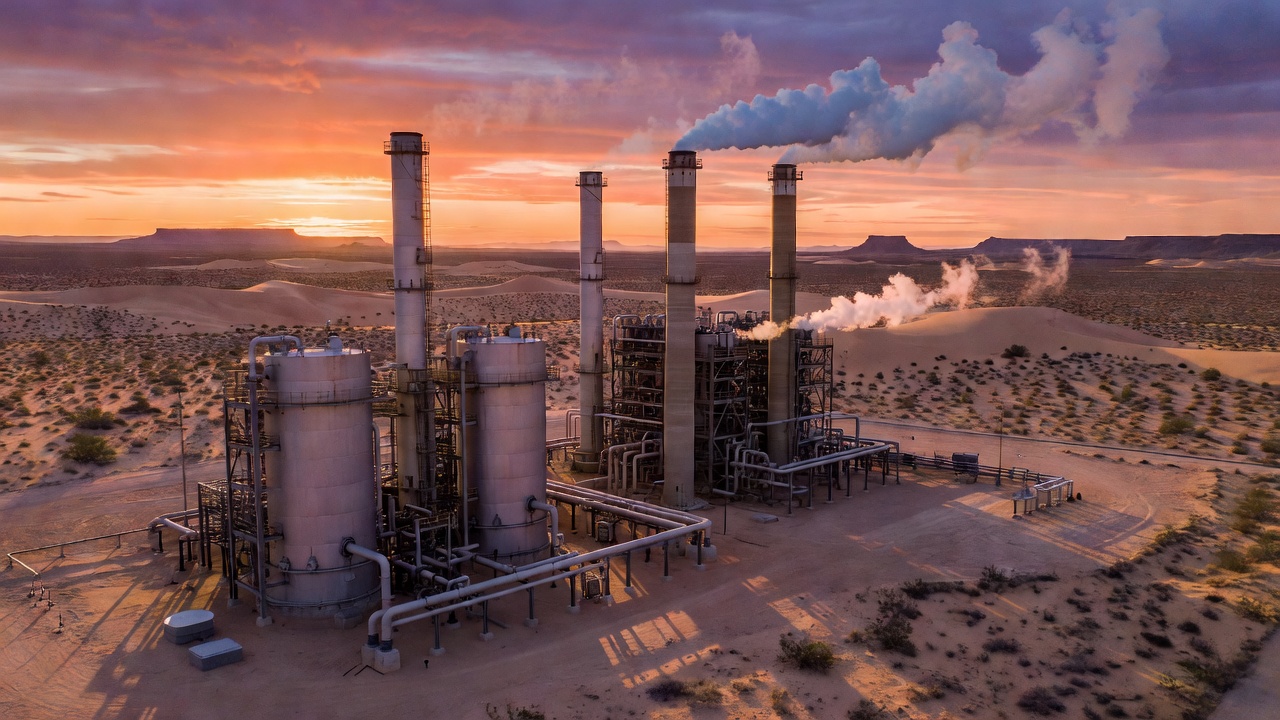
Arizona Public Service (APS) plans to add more than 4,000 MW of new gas generation by 2041 in its 2026 Integrated Resource Plan, while Tucson Electric Power (TEP) proposes 300 MW of its own. The larger story sits beneath those totals: both utilities are reversing earlier exit and retirement commitments, with APS pushing its Four Corners coal exit from 2031 to 2038 and TEP saying it will miss its 80% emissions-cut target for 2035. For Arizona ratepayers, the timing matters because the Arizona Corporation Commission (ACC) is weighing both plans while an APS rate case is also pending.
What's New
Both utilities filed 2026 integrated resource plans (IRPs, the 15-year roadmaps that explain how a utility will obtain the energy to serve its customers). The Sierra Club responded with a press release, republished on CleanTechnica on November 2. The characterizations in this article come from the Sierra Club, an advocacy organization, and not from neutral analysis. Only the filing details, such as megawatt figures and plant dates, can be checked against the utilities' own documents.
A note on units: a megawatt (MW) is a million watts, the standard measure of a power plant's generating capacity. By the Sierra Club's account, APS has the most planned gas of any Arizona utility. Its buildout is tied to named projects:
- Redhawk Expansion Project: eight new methane gas-fired generating turbines in Maricopa County. Methane is the main component of natural gas.
- Desert Sun Power Plant: a planned APS gas facility.
- TEP: 300 MW of new gas generation, plus the conversion of coal units described below.
- TEP, Springerville units 1 and 2: a prior proposal would have retired them. The new plan instead converts them from coal to gas by 2031, a coal-to-gas conversion (retrofitting a plant to burn natural gas, which keeps the site and its grid connection but not the coal).
- TEP, Four Corners: TEP still plans to exit its share by 2031.
- APS, Four Corners: the exit moves from 2031 to 2038. The source says APS signed a coal supply contract extension and is extending coal-fired operations to 2038.
- The outcome of the APS rate case and its effect on the roughly $240 per year residential figure.
- Whether the Redhawk Expansion and Desert Sun gas projects advance as filed.
- Whether TEP revises or formally replaces its 2035 carbon goal.
Sandy Bahr, Director of the Sierra Club Grand Canyon Chapter, said: "Arizonans across the state support a timely transition from fossil fuels to 100% clean energy by 2050, but what the utilities have presented in their energy plans further delays our move from gas and coal to solar and wind." She is speaking for an interested party. Neither APS nor TEP is quoted in the source, and neither offers a stated reliability, demand-growth or cost rationale for these choices.
How It Works
An IRP is a utility's 15-year plan for supplying power. The ACC, the regulator that will approve or reject both plans, also holds the pending APS rate case. That overlap puts two decisions about the same company's costs and future on one commission's desk. Because the planning window is 15 years, the 2041 gas target and the 2038 coal date both fall inside the span the plans are meant to cover.
Three coal decisions stand out in the filings, as the Sierra Club describes them:
The APS change reverses a prior commitment to leave Four Corners in 2031, a seven-year slip.
The Economics
The cost argument in the source is the Sierra Club's. The group says the plans continue an expensive dependence on fossil fuels.
One concrete number comes from a separate proceeding. A 14% APS rate hike is pending before the ACC and would raise the average residential bill by roughly $240 per year.
Bahr put the argument in ratepayer terms: "We're seeing these utilities protect their own bottom lines, instead of making the most economical decisions for ratepayers like you and me. More than ever, we need to embrace a clean energy future to protect our health, the climate, and our wallets." That is advocacy.
Competitive Landscape
The two utilities are the only comparable entities in the source. APS is the larger gas story, with more than 4,000 MW planned by 2041, which the Sierra Club says is the most of any Arizona utility. TEP's addition is smaller at 300 MW, but it pairs that with keeping Springerville's coal units running as gas units and a retreat from its earlier carbon goal: an 80% emissions reduction by 2035, which TEP now says it will not meet. The Sierra Club presents APS as the larger concern on gas volume and coal timing.
The Sierra Club's own benchmark is 100% clean energy by 2050, a target the group says Arizonans support. The Sierra Club is an interested party.
What's Next
The ACC will approve or reject each IRP and will separately rule on the 14% APS rate increase.
Three items are worth tracking:
The utilities' responses will matter as much as the regulator's. Until APS and TEP explain whether load growth, reliability needs or cost drive these choices, readers are weighing one side's account.
For a typical Arizona household, the number to watch is the $240 per year, about $20 a month, that the pending APS rate case would add.
The sharpest irony here is that the headline number is the least informative one. A 4,000 MW gas total tells readers little until the utilities show how much replaces retiring plants and how the plans compare on cost with solar, wind and storage. The more telling signal is the pattern of deadlines moving later: 2031 becoming 2038, retirement becoming conversion, a target becoming a miss.
-- Aria Lin, Enterprise Technology Analyst
Sources: Az · Srpnet · CleanTechnica