Nscale Reportedly Nearing Second $45bn Compute Deal With Anthropic's Claude MakerNscale Reportedly Nearing Second $45bn Compute Deal With Anthropic's Claude MakerNscale Reportedly Nearing Second $45bn Compute Deal With Anthropic's Claude MakerNscale Reportedly Nearing Second $45bn Compute Deal With Anthropic's Claude Maker
October 20, 2026
Nscale and Anthropic are reportedly negotiating a second computing deal worth about $45bn, covering 460 megawatts (a measure of electrical power capacity) in a second building at Nscale's Monarch campus in Mason County, West Virginia, for Nvidia's upcoming Vera Rubin chips. The

Nscale and Anthropic are reportedly negotiating a second computing deal worth about $45bn, covering 460 megawatts (a measure of electrical power capacity) in a second building at Nscale's Monarch campus in Mason County, West Virginia, for Nvidia's upcoming Vera Rubin chips. The detail that matters more than the dollar figure is who is no longer in the building: Microsoft, once expected to anchor Monarch, has stepped back, leaving Anthropic as the lead anchor customer.
For enterprise teams betting on Claude, this is a supply-side signal about whether capacity will exist when demand arrives. This analysis covers what was reported, why the scale matters, where the competitive pressure sits, and what to watch before treating any of it as settled.
What's new
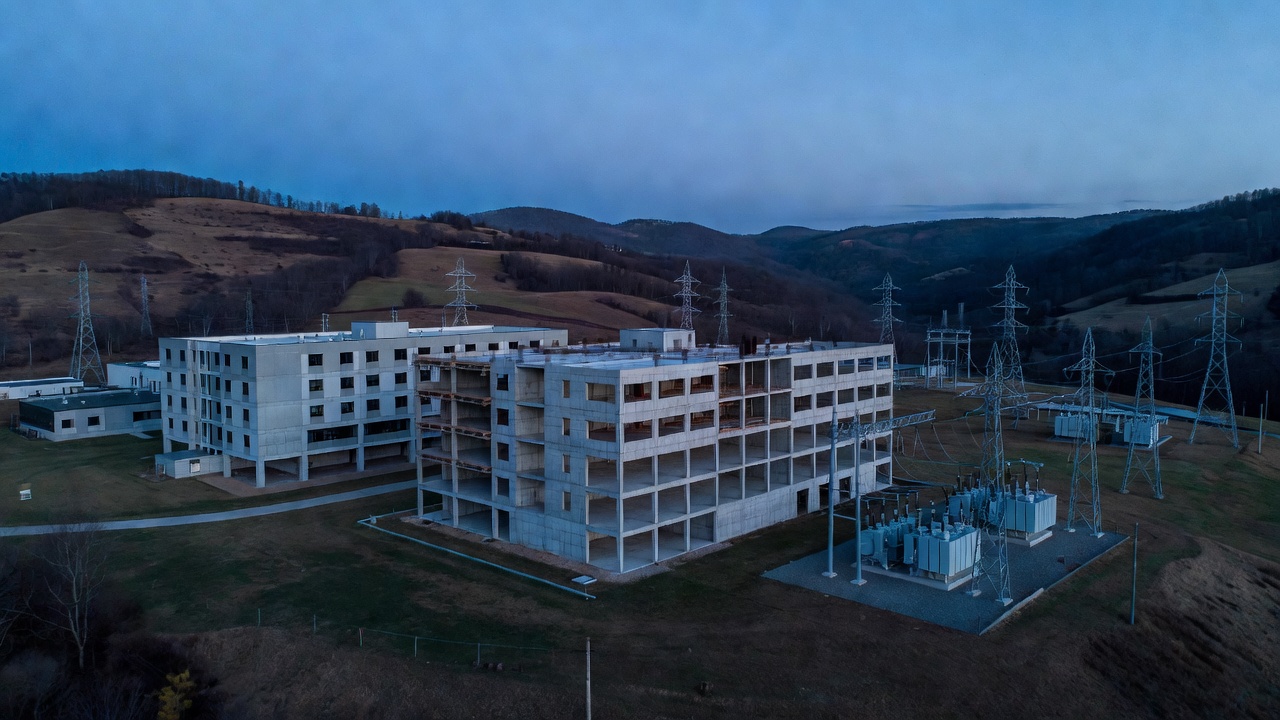
Nscale, a London-based AI infrastructure provider, is reportedly in talks to sell Anthropic about $45bn in additional AI computing capacity. The new contract would cover a second building at Nscale's Monarch campus in Mason County, West Virginia. That building would supply 460 megawatts of power for Nvidia's upcoming Vera Rubin chips (its next generation of AI processors), the same figures that defined the first deal. A signing could come "within days," according to the report, but terms may change.
The first agreement was $45bn over six years, agreed in August, for capacity in the first Monarch building. Anthropic, the company behind the Claude family of AI models, would therefore be committing to about $90bn of dedicated compute across two buildings if the second contract closes as described.
Treat all of this with care. It rests on unnamed people familiar with the matter, both companies declined to comment. Contract length, pricing, the Vera Rubin delivery timeline, and whether the second building is already built are all missing. Nvidia's newsroom lists the "NVIDIA Vera Rubin Platform" as a featured item, but the page gives no specifications or dates.
Why it matters
The scale tracks Anthropic's growth. A reported figure puts Anthropic's annualized revenue run rate (current monthly revenue projected over a full year) at $65 billion at the end of July 2026, up roughly 7x from a year earlier. Two $45bn commitments are large against that base, but they are spread over multiple years and, in the first deal's case, six of them. That is a bet that demand keeps compounding, not a response to demand already booked.
The financing picture is just as relevant. Nscale has filed for a New York listing and is seeking a valuation of about $30bn. It closed a $3.36bn pre-IPO round (a funding round raised shortly before a stock market listing) in September, led by the hedge fund Third Point. Its filing values its agreements with Anthropic at up to $44.6bn, and how that figure relates to the two $45bn deals is not explained in the available material. Anthropic is itself preparing a stock market debut, and a group of its investors has urged the company to lower its IPO valuation target.

Anthropic also holds a right of first refusal on a planned third Monarch building, meaning it could claim that capacity before anyone else. No executive is quoted anywhere in the reporting. Independent analyst commentary specifically on this announcement was not publicly available at publication time.
On the product side, the data is insufficient. Nothing in the sources links this deal to Claude pricing, capacity limits, or availability, so any claim that more compute means a faster or cheaper Claude would be speculation.
Competitive Landscape
No directly comparable commercial product peers were identified in the reporting, so the relevant comparison is among infrastructure players around the deal. Microsoft is a customer and former prospective tenant, not a product rival here. It stepped back from its plan to anchor Monarch, with no public reason given. The grid-connection delay into the 2030s reported this week concerned a separate Nscale site in Loughton, UK. Nscale's prospectus still names Microsoft alongside Anthropic as a main customer across its wider contract book, not at Monarch specifically.
- Anthropic: lead anchor customer at Monarch, with a six-year, $45bn first deal and a reported second of about $45bn.
- Microsoft: expected main customer per Nscale's prospectus, but its Monarch start has slipped into the 2030s.
- CoreWeave: AI infrastructure peer carrying a $50bn debt load, whose shares fell last week on debt concerns.
- Nvidia: supplier of the Vera Rubin chips the capacity is built around.
The contrast is instructive. Microsoft's delay was a power problem, CoreWeave's was a balance-sheet problem, and Anthropic is being asked by its own investors to temper its valuation. Investors are scrutinizing debt-financed AI infrastructure, and a deal of this size lands in that climate.
What's next

The first marker is whether a signing arrives "within days" and whether the terms hold. Confirmation or denial from either company would settle the central question. Beyond that, watch Nscale's New York listing and its roughly $30bn valuation target, and the timing of Anthropic's own debut, which the sources do not date.
Physical delivery is the larger test. Microsoft's grid delays show that power connection, not contract signing, can determine when capacity exists. The planned third building and Anthropic's right of first refusal on it will show whether this is a two-deal story or the start of a longer sequence.
What this means for Claude users in practice cannot be stated from the available data.
The irony is that the scarce resource in this story is not money or chips but an electrical connection. Microsoft, with its balance sheet, could not get power on schedule, and the buyer that stepped into the gap is itself being told by investors to ask for less.
For a CIO negotiating a multi-year Claude commitment, the useful reading is narrow: ask Anthropic what dedicated capacity backs your contract term, and when it comes online. A reported 460 MW per building, across two buildings, suggests supply is being secured, but without delivery dates, a six-year horizon says little about next year's rate limits. Build any procurement assumption on confirmed terms, not on a single report. Capacity is only real once the lights are on.
-- Aria Lin, Enterprise Technology Analyst
Sources: Claude / Anthropic · The Next Web · Anthropic News · NVIDIA Newsroom