HiPHI Motion Dataset Claims 617.5 Hours of Precision Capture, No Results ShownHiPHI Motion Dataset Claims 617.5 Hours of Precision Capture, No Results ShownHiPHI Motion Dataset Claims 617.5 Hours of Precision Capture, No Results ShownHiPHI Motion Dataset Claims 617.5 Hours of Precision Capture, No Results Shown
October 12, 2026
A 617.5-hour whole-body human motion dataset called HiPHI, captured with optical motion capture at sub-millimeter accuracy, was released as a white paper, and 245.7 of those hours cover people interacting with objects. The headline number is the smaller story: the paper is a
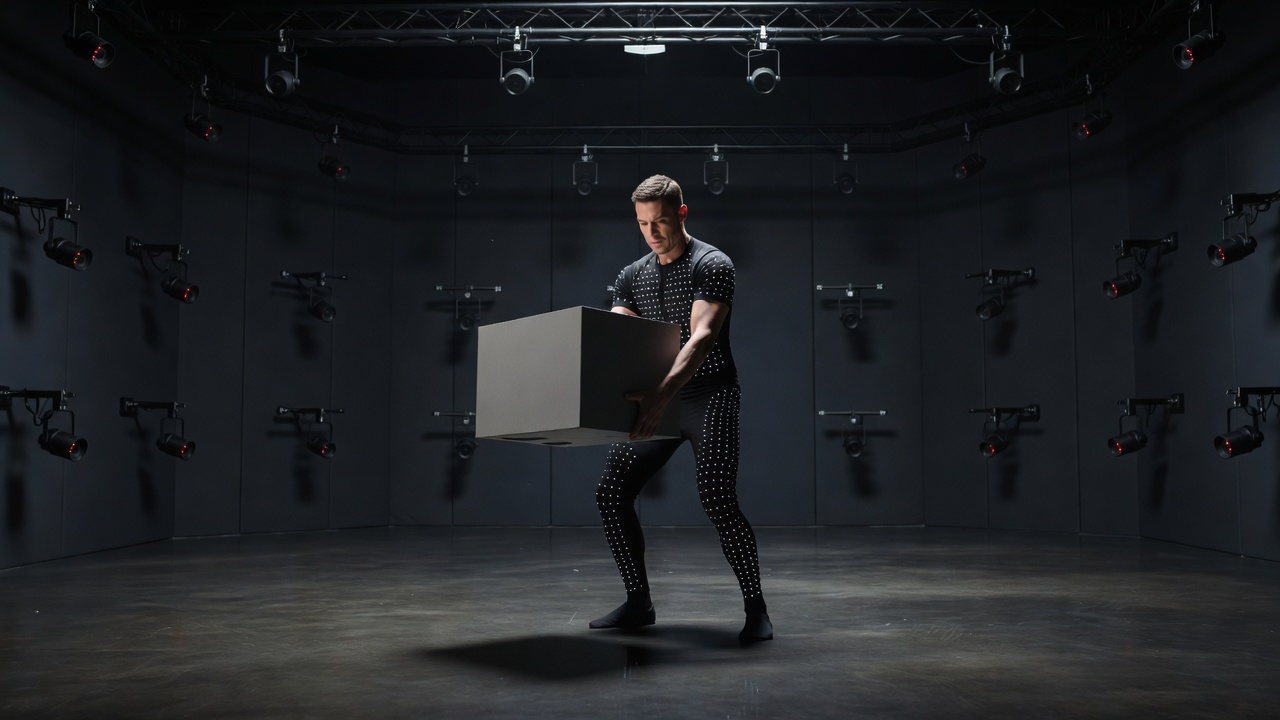
A 617.5-hour whole-body human motion dataset called HiPHI, captured with optical motion capture at sub-millimeter accuracy, was released as a white paper, and 245.7 of those hours cover people interacting with objects. The headline number is the smaller story: the paper is a sponsored, gated white paper, and the buried lead is that its abstract shows no benchmark results at all. Humanoid demos spread fast on social feeds, but the scarce input for training them is precise data on how bodies move and handle things. This article covers what the abstract claims, what it leaves out, and what readers should check before relying on it.
What It Does
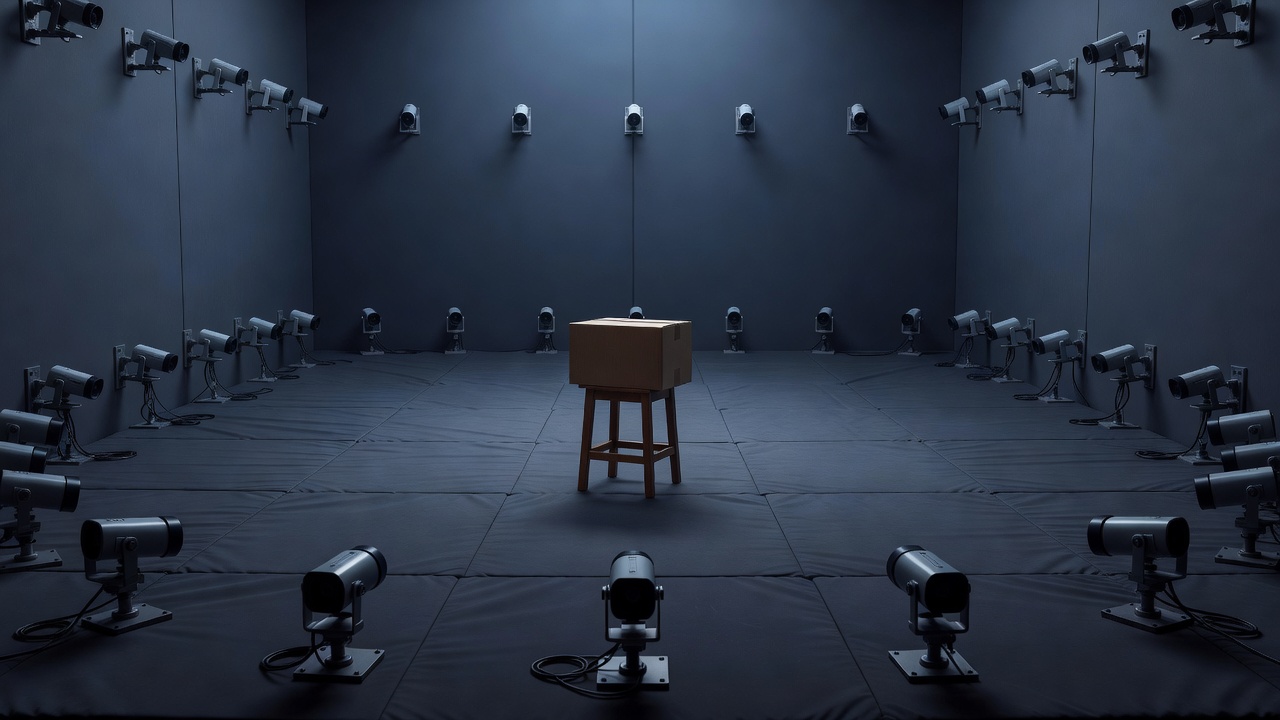
HiPHI, titled "A Large-Scale Benchmark for High-Precision Human Motion and Object Interaction," is a whole-body human motion dataset. Per the abstract, it totals 617.5 hours and was captured with optical motion capture (cameras tracking reflective markers on a performer's body to reconstruct movement in 3D) at sub-millimeter accuracy.
The human-object interaction portion runs 245.7 hours, "with synchronized object trajectories and meshes." By our own arithmetic (245.7 divided by 617.5), that is about 39.8% of the total. The percentage is ours, not a figure from the paper.
For scale, the same arithmetic puts the full dataset at roughly 25.7 days of continuous recording and the interaction portion at roughly 10.2 days. Subtracting gives 371.8 hours that the abstract does not describe as interaction data. These conversions are ours too, and the abstract does not say how the remaining hours are used.
Coverage is organized with FrameNet (a linguistic framework that catalogs human actions as structured "frames"). The stated goal is to "systematically cover a broad range of whole-body motion." The paper also introduces a benchmark suite that measures motion diversity and interaction grounding (how well recorded motion lines up with the objects being handled).
The source is a white paper distributed through IEEE Spectrum and sponsored by Noitom Robotics. Only the abstract is visible without registration, so everything here rests on that text.
The Technical Achievement
The abstract frames the dataset as a fix for two opposing weaknesses. Internet video "shows diverse behavior but cannot capture precise physical states." Laboratory motion capture "record[s] accurate movement but usually cover[s] only a narrow set of actions." HiPHI claims to combine the precision of the second with the breadth of the first.
Three elements carry that claim:
- Sub-millimeter optical capture: the stated accuracy, though no tolerance figure is given.
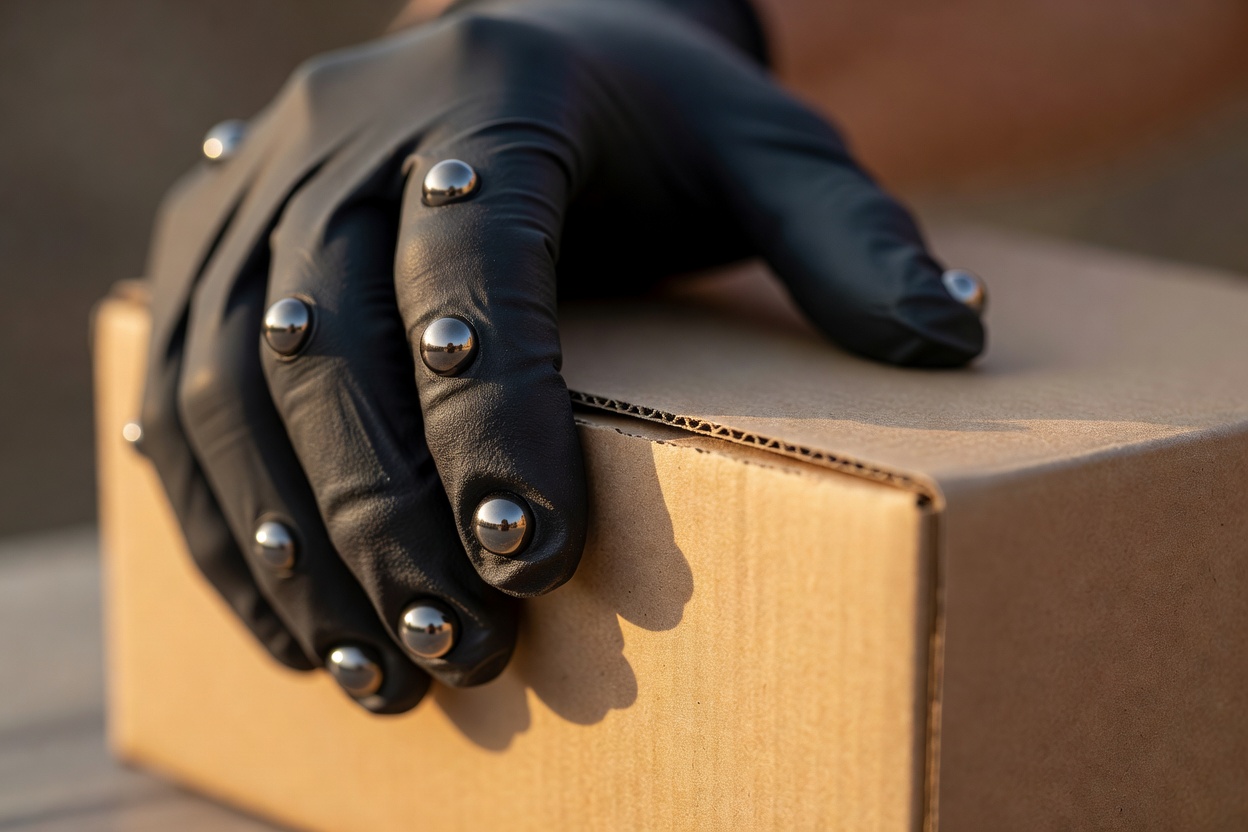
- Synchronized object data: object trajectories and meshes (3D surface models) recorded alongside body motion for the 245.7 interaction hours.
- FrameNet-based planning: a linguistic taxonomy used to organize which actions are captured, rather than collecting whatever is convenient.
The combination matters because each piece answers a different failure. Precision without breadth gives a robot a few well-measured motions. Breadth without precision gives it many motions it cannot reproduce accurately. The abstract's pitch is that organizing capture by a language-based action taxonomy is how the two are held together.
Real-World Impact
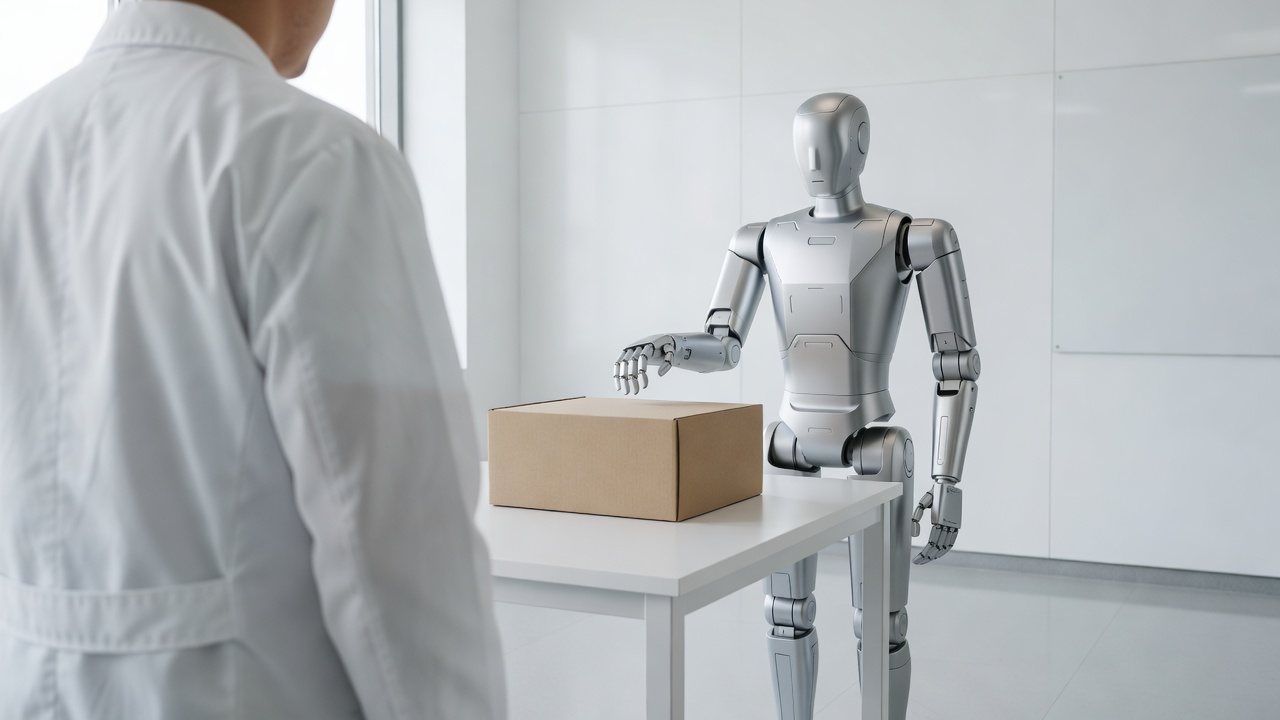
The paper says policies (the learned control programs that decide what a robot does) trained on the dataset were deployed on a physical Unitree G1 humanoid, the only robot platform named. The abstract reports no policy success rates, so no performance should be assumed.
Why precision matters is shown by a simplified example in The Robot Report's dexterity coverage, which is not part of the HiPHI paper. If a robot performs 100 sequential actions at a 99% per-action success rate, the odds that all 100 succeed are 36.6%. At 99.9% the odds are 90.5%, and at 99.99% they are 99.0%. The column calls this "a simplified example."
The link to HiPHI is conceptual only. Small per-step errors compound, so data that captures exact physical states, including where an object is and how it moves, is what a sequence-heavy task would need. Whether HiPHI delivers that on the G1 is exactly what the abstract does not show.
Note the gap between the two claims on the page. Real-world deployment on a humanoid is the strongest-sounding statement in the abstract, yet it arrives without a single task name or success figure. Until those appear, it tells readers that a robot ran, not how often it succeeded.
Competitive Landscape
No directly comparable commercial peers were publicly identifiable at publication time in high-precision motion-and-interaction data, and the supplied research names none. The paper positions HiPHI against only two categories, internet video and laboratory motion capture, and names no competing datasets. A direct ranking would require disclosures that have not been released, so this article offers none.
The sponsor is Noitom Robotics, which "builds ModalityNet, the human-centric data substrate that makes the physical world learnable for embodied AI." That line is sponsor boilerplate, and ModalityNet is described nowhere else in the supplied material. The page does not name Noitom as HiPHI's creator, and no authors or institutions are named. Readers should treat the sponsor relationship as a commercial interest in the topic, not as proof of who built the data.
Independent analyst commentary specifically on this announcement was not publicly available at publication time.
What's Next
The full paper would need to answer several questions before the dataset can be judged:
- Benchmark results and baselines against existing motion-capture datasets.
- Policy success rates on the Unitree G1, and on which tasks.
- Subject, object and action counts, and FrameNet coverage.
- License, availability and download terms.
- Whether the work is peer-reviewed or a vendor white paper, and whether anyone has independently validated it.
The last two matter most for the compounding-reliability point above. A 99% versus 99.9% per-action difference decides whether a long task works, and the abstract offers no per-action figure at all. Readers who want to rely on HiPHI should register for the full paper, which is hosted on the publisher's white-paper page, and check those items first.
The most telling detail is the one missing from the abstract. Until the G1 numbers appear, HiPHI is a promising pitch, and the 99% question remains open.
For engineers building humanoid training pipelines, the practical translation is simple: until the license and results are public, treat HiPHI as a 617.5-hour claim, not a validated asset. The numbers worth your time are per-action success rates on a real robot and the data's usable hours after filtering, neither of which the abstract supplies.
-- Zara Velez, Emerging Technology Editor
Sources: Doe · arXiv · HiPHI white paper (IEEE Spectrum hub)