Canva Craft Debuts 4th on DesignArena With Template-Trained Image Model
October 26, 2026
Canva launched Craft on October 22, 2026, its first image model built entirely in-house, and it debuted in 4th place on the DesignArena leaderboard. Yet its two first-place category finishes are in portraits and landscapes, not the template-heavy work Canva says it trained on:
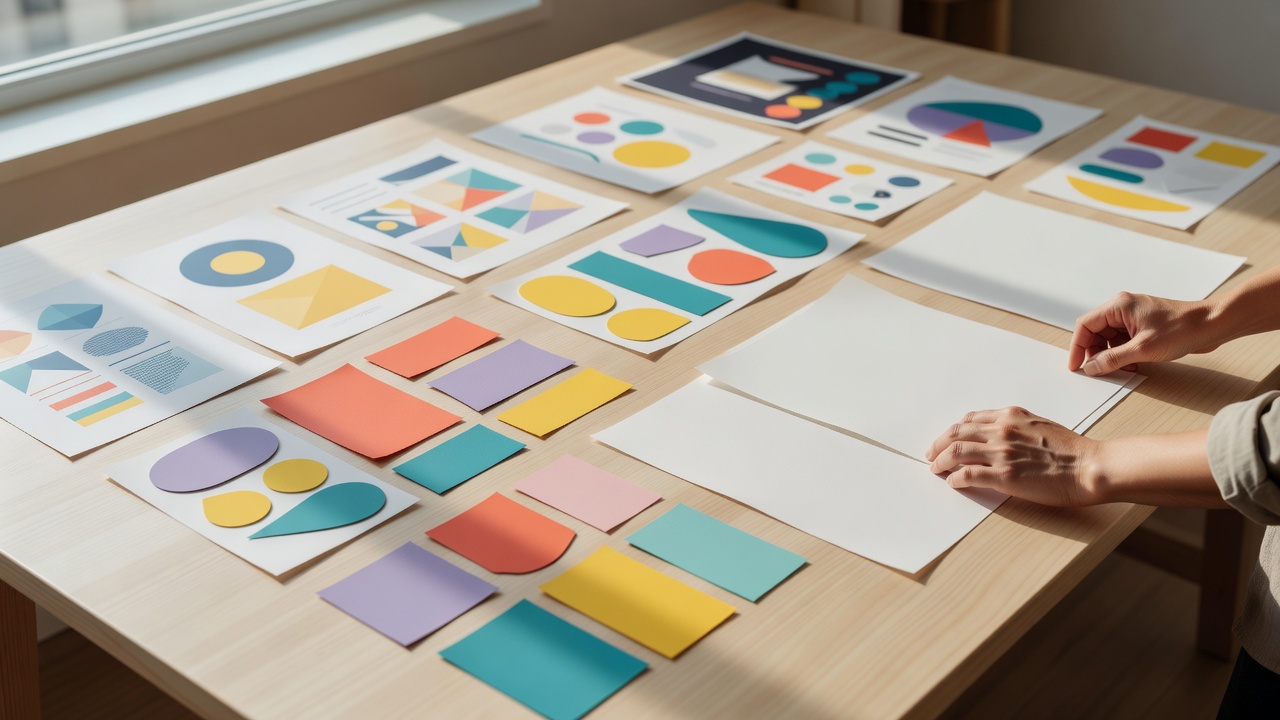
Canva launched Craft on October 22, 2026, its first image model built entirely in-house, and it debuted in 4th place on the DesignArena leaderboard. Yet its two first-place category finishes are in portraits and landscapes, not the template-heavy work Canva says it trained on: Canva says it trained Craft on millions of its own library templates rather than mostly on photographs, which makes it a bet on layout and legible type over photorealism. For enterprise teams that produce menus, slides, posters and social graphics at volume, that is the part of image generation that has tended to break first.
The timing matters because the model is available both inside the product and through an API, so teams can test it against real collateral workloads now.
What's new
Canva describes Craft as its first AI image generator built entirely in-house. It outputs images up to 2K resolution, supports over 30 aspect ratios, and renders on-image text in 55 languages. Prompts work in any language.
Craft works in two stages. A planner model (a first model that decides the layout before any pixels are drawn) maps objects, positions, sizes, priority and required text. A second model then renders the image from that plan. Canva says planning first keeps text readable and objects correctly placed, and lets users edit one part of an image while leaving the rest unchanged.
Canva says it trained the model on millions of templates made by people in its library, including menus, infographics, slides, social graphics, posters and text-heavy layouts, and says rival models mostly train on photographs. After initial training, Canva refined Craft with reinforcement learning (rewarding the outputs designers prefer) and supervised fine-tuning (further training on curated examples), guided by in-house designers, aiming at cleaner type, closer prompt following and better image quality.
Speed came from distillation (training a leaner model to reproduce a larger one's output in fewer processing steps) and a custom planning engine. Canva says the result is about 10x faster than Craft's earliest internal build. Developers still face a longer wait: a staff post on Canva's developer forum says, "Expect roughly 50 to 60 seconds end to end."
Inside Canva, Craft sits in Dream Lab, on the lower-left side panel, and it pairs with Magic Layers, which splits an AI image into editable pieces. It is covered by Canva Shield, which screens prompts and outputs and lets users report harmful or deceptive material.
Why it matters
Scale is the reason Canva built its own model. The company counts 250M+ users producing 400+ designs per second. At that volume, Canva's research lab says, "even a variation of a few cents per generation makes an enormous difference." Owning the model gives Canva control over both unit cost and latency, which a licensed model does not. Canva says partner AI models will stay in use alongside its own.
The plan-then-render design targets two familiar weak points in image generation: garbled text and misplaced objects. For marketing and brand collateral, those are the failures that force a human to redo the asset. Canva's earlier Design Model, launched last year, reads layouts and layers but does not generate images; Craft is the first Canva model to do so.
The lab behind Craft, Canva Research, has 160+ AI researchers and engineers and was formed in 2025 with teams from Kaleido and Leonardo.ai, two companies Canva acquired earlier. Canva says designers and dozens of researchers compared 25,000+ image pairs against top rival models. Its account of the method: "When automated evaluations and human judgments differed, we sided with the designer."
Competitive Landscape
Craft enters a field of the largest names in image generation. On DesignArena, a public leaderboard where users vote between AI-made images, Craft debuted 4th overall. Its Elo rating (a score that rises and falls with head-to-head vote results) was 1330 on October 23, down from 1340 at launch, with three OpenAI models above it. Canva says Canva Research is the second-best lab on the board.
Category results, per Canva's reported rankings:
- People & Portraits: 1st of 87 models
- Landscapes & Nature: 1st of 85 models
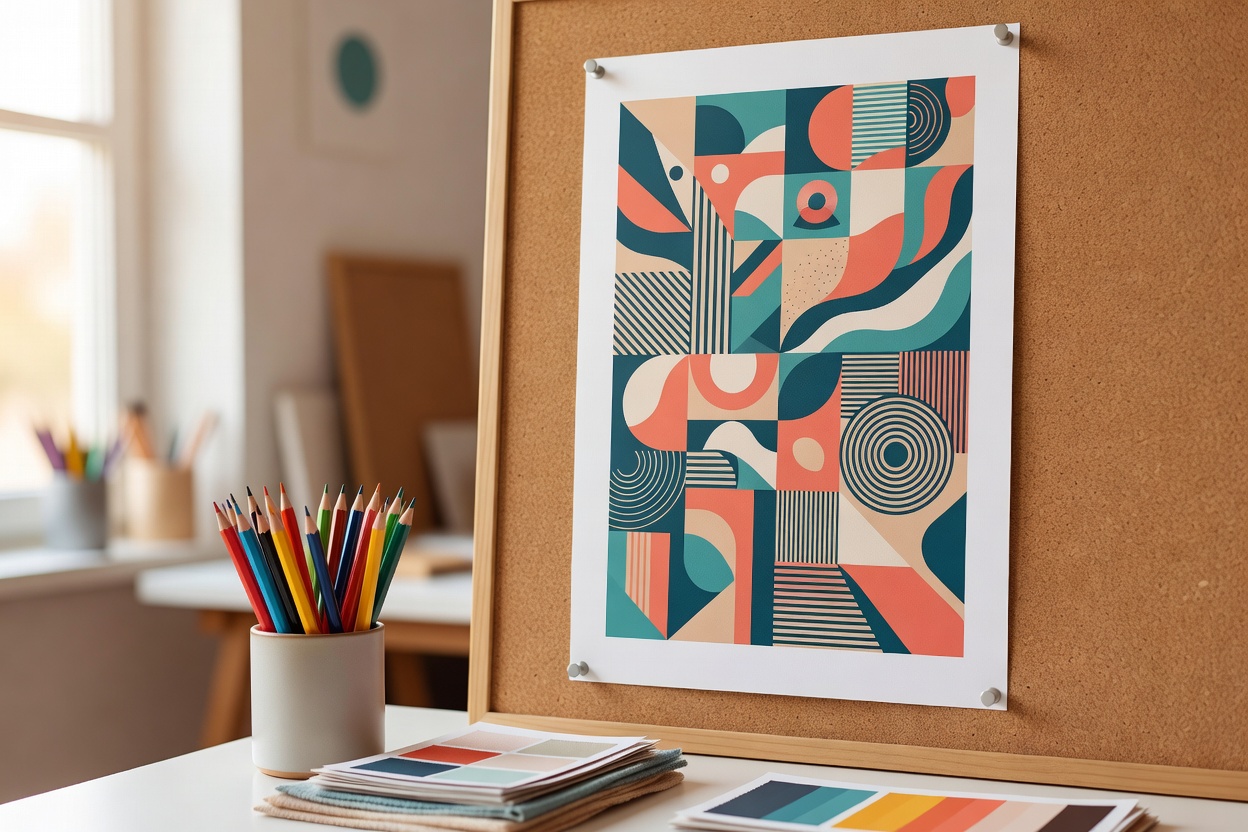
- Abstract & Patterns: 2nd of 85 models
Rivals are not standing still on the capabilities Canva is stressing. OpenAI says its 4o image generation "excels at accurately rendering text, precisely following prompts" and supports multi-turn refinement. Google's Gemini Image models accept uploaded images plus text instructions and let users refine results in everyday language. Both are general-purpose systems; Canva's pitch is design-specific training data plus planning.
A caveat applies to every number above. DesignArena is vote-based, and Craft's own Elo moved 10 points in a day. The first-place category results are real but narrow, and Products, arguably the most commercial category, is the weakest listed result.
What's next
Canva plans Craft-fast and Craft-ultrafast variants, with no prices or dates announced. More editing tools and reference-image support are also planned.
Developers can reach Craft through Canva's Connect API (the interface for building on Canva) using the model name craft_v1_2k. Support in Canva's MCP Server, which connects AI assistants to Canva, is "coming soon".
The 50 to 60 second API latency is the number the faster variants most need to move.
Canva spent a year building a lab to prove it can match the biggest names, yet its best results are in portraits and landscapes, not the template-heavy work it trained on. The real verdict will come from the first brand team that hands Craft a menu with 55 languages of type and a deadline.
For a marketing operations lead producing a few hundred localized campaign assets a week, the useful test is narrow: run your own menus, slides and posters through Dream Lab, count how many need manual type fixes, and compare that against the credit burn per accepted image.
-- Aria Lin, Enterprise Technology Analyst
Sources: Canva · Betanews · Canva Newsroom · Canva Connect API Docs · OpenAI